The wellness world is undergoing its biggest transformation in decades, and 2026 is shaping up to be a pivotal year. According to experts at Dr. Axe, longevity is no longer a niche biohacking pursuit — it has evolved into a comprehensive mainstream lifestyle blending metabolic optimization, strength training, restorative sleep, and community connection. Key trends driving the shift include AI-powered personalized nutrition plans, the rise of short daily movement bursts, and a surge in emotional fitness practices that support both cognitive performance and resilience. Wearable technology is also reaching new heights, combining biometric data with AI-generated fitness plans to make health more responsive and tailored than ever before. Experts note that wellness in 2026 is becoming more holistic, social, and data-driven — a reflection of what people truly need for sustainable health.
Wellness in 2026: The Trends Shaping How We Live, Move, and Heal
Health and wellness are no longer just about hitting the gym or eating a salad. In 2026, the wellness landscape is transforming into something far more intelligent, personal, and deeply human. Driven by advances in technology, a greater understanding of the mind-body connection, and a collective desire for meaningful rest and community, this year marks a turning point in how people approach their well-being. The shift is clear: wellness is no longer about chasing perfection or following extreme protocols. It’s about building sustainable, science-backed habits that fit real life.
Longevity Is the New Goal
One of the most significant shifts in 2026 is the mainstream embrace of longevity-focused living. People are no longer simply trying to live longer — they want to live better, for longer. This means prioritizing metabolic health, reducing inflammation, preserving muscle mass, and supporting hormonal balance through everyday habits rather than expensive interventions.
Daily protein optimization, Zone 2 cardio, strength training, and tech-free nighttime routines are becoming staples of the longevity lifestyle. These aren’t reserved for elite biohackers anymore. They’re practical, accessible tools that anyone can incorporate gradually into their daily routine. Research continues to confirm that muscle mass, metabolic flexibility, and inflammation levels are among the strongest predictors of healthy aging — and the habits that support them are more within reach than ever before.
Personalized Wellness Takes Center Stage
Gone are the days of one-size-fits-all health advice. In 2026, personalization is the foundation of effective wellness. Thanks to AI-driven analytics, at-home biomarker testing, and increasingly sophisticated wearable devices, individuals now have access to insights that once required multiple specialist visits.
Gut microbiome testing, real-time metabolic readiness scores, hormone panels, and AI-powered coaching are becoming mainstream tools for everyday health management. When wellness plans are tailored to a person’s unique biology, circadian rhythm, stress levels, and goals, people are far more likely to stick with them and see real results. Personalization doesn’t just make wellness smarter — it makes it more effective.
Caring for the Nervous System
Stress management is getting a major upgrade in 2026. Rather than simply trying to “reduce stress,” the focus is shifting toward actively regulating the nervous system — supporting vagal tone, lowering cortisol, and building genuine emotional resilience.
Practices like somatic movement, advanced breathwork techniques, cold and heat therapy timed to the body’s natural rhythms, and trauma-informed wellness approaches are gaining traction. This matters because chronic stress keeps the body in a state of constant alertness, contributing to anxiety, burnout, poor digestion, hormonal disruption, and weakened immunity. Learning to regulate the nervous system is quickly becoming one of the most valuable health skills a person can develop.
Movement That Serves Real Life
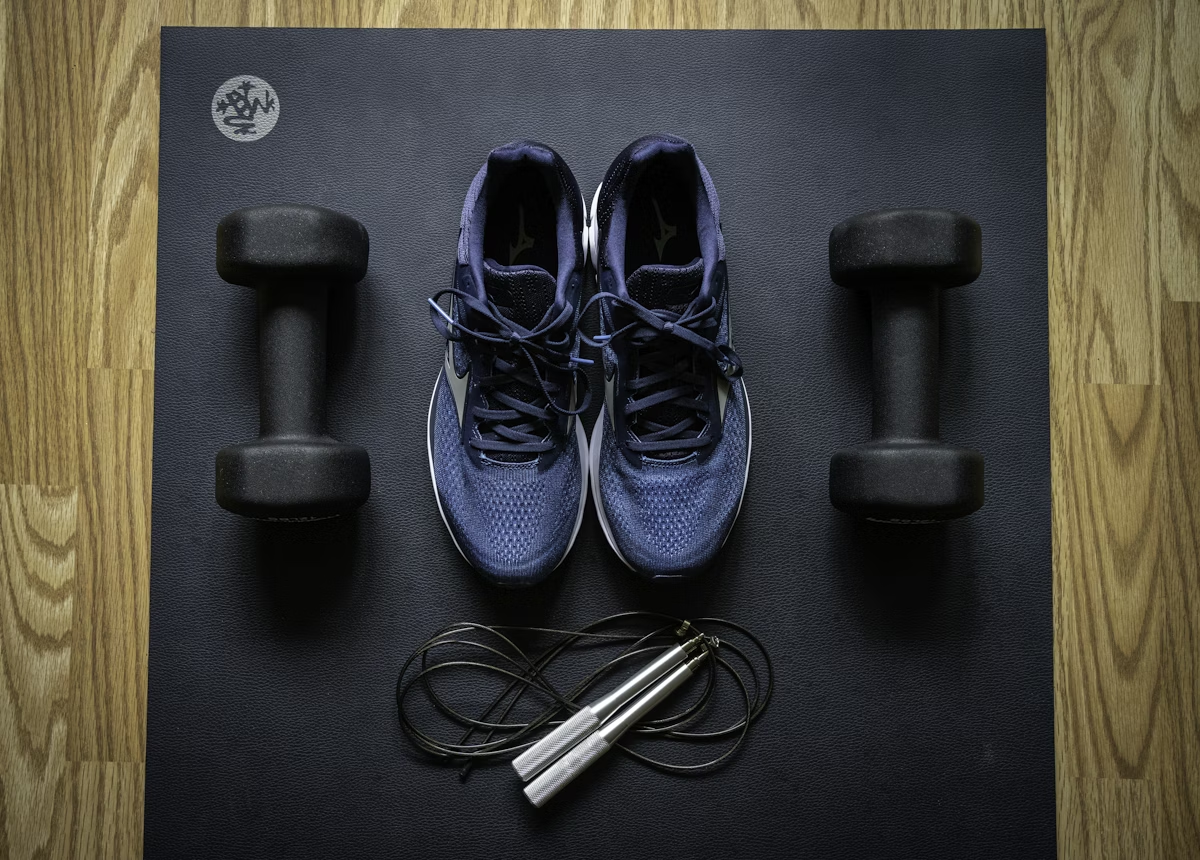
Fitness in 2026 is shedding its obsession with aesthetics and short-term goals. Instead, the focus is on functional movement — building strength, balance, joint stability, and mobility that actually support how we live day to day. Rucking, loaded carries, mobility flows, functional Pilates, and stability-based training are rising in popularity because they build the kind of physical capacity that lasts a lifetime.
Equally important is the rise of “movement snacks” — brief bursts of physical activity scattered throughout the workday to counteract the health risks of prolonged sitting. A two-minute stretch, a short walk, or a set of bodyweight exercises can meaningfully support joint health, circulation, and metabolic activity. Fitness doesn’t have to mean an hour at the gym. It means moving consistently, in ways that make sense for your life.
Eating in Harmony With Your Body
Nutrition in 2026 is moving away from restrictive dieting and toward what is being called “bioharmony” — eating in alignment with your body’s metabolic needs, circadian rhythms, and digestive comfort. Seasonal eating, blood-sugar-friendly meals, fermented foods, and nutrient-dense whole food proteins are becoming the building blocks of a modern, sustainable diet.
Ultra-processed foods are increasingly recognized as a major driver of chronic disease, poor energy, and even mental health struggles. In their place, people are turning to anti-inflammatory herbs and spices, gut-friendly recipes, and phytonutrient-rich produce. The goal isn’t dietary perfection — it’s steady energy, stable moods, and a digestive system that supports overall well-being.
Sleep and Rest as Non-Negotiables
Rest is finally being treated with the seriousness it deserves. In 2026, sleep is not a luxury or an afterthought — it is a foundational pillar of health. Interest in sleep optimization is surging, from circadian-friendly lighting and sleep-optimized bedroom environments to evening rituals like magnesium baths, herbal infusions, and screen-free wind-down routines.
Slow-flow yoga, restorative stretching, and gentle breathwork are becoming essential tools for transitioning the body and mind into genuine recovery. The science is clear: quality sleep supports metabolic health, emotional regulation, immune function, and cognitive performance. Prioritizing rest isn’t laziness — it’s one of the smartest health choices you can make.
Community as Medicine
Perhaps the most powerful wellness trend of 2026 is the growing recognition that human connection is a health intervention in itself. Research consistently shows that strong social ties reduce inflammation, lower the risk of chronic disease, support mental health, and are even associated with longer life. Loneliness, by contrast, carries health risks comparable to smoking.
Group fitness classes, community walking clubs, shared meals, wellness retreats, and even online communities with real-world meetups are all growing in popularity. These shared experiences don’t just feel good — they build accountability, resilience, and a sense of belonging that supports every other healthy habit you’re trying to maintain.
Wellness for the Long Game
The overarching message of 2026’s wellness landscape is refreshingly simple: consistency beats perfection, and sustainability beats intensity. Whether you’re improving your nutrition one meal at a time, adding a short walk to your daily routine, or investing more intentionally in your sleep and relationships, every small step compounds over time.
This year, wellness isn’t about doing everything at once. It’s about choosing habits that are grounded in science, suited to your real life, and built to last — not just for January, but for every month that follows.
Disclaimer: The content on this website is for informational purposes only and is not intended as medical advice, diagnosis, or treatment. Always consult a qualified healthcare professional before making any health-related decisions. Images used in this article are AI-generated illustrations.