
Why Testosterone Matters for Men’s Health
Testosterone is a key hormone that affects much more than muscle growth. It plays an important role in maintaining energy levels, bone strength, mood, fertility, and sexual health. Although testosterone naturally declines with age, experts say that poor lifestyle habits, including an unhealthy diet, can also contribute to lower hormone levels.
A diet that relies heavily on red and processed meat while lacking fruits, vegetables, whole grains, and healthy fats may not provide the nutrients needed for optimal hormone production. Researchers believe that overall diet quality has a significant impact on men’s long-term health.
Can Eating Too Much Meat Lower Testosterone?
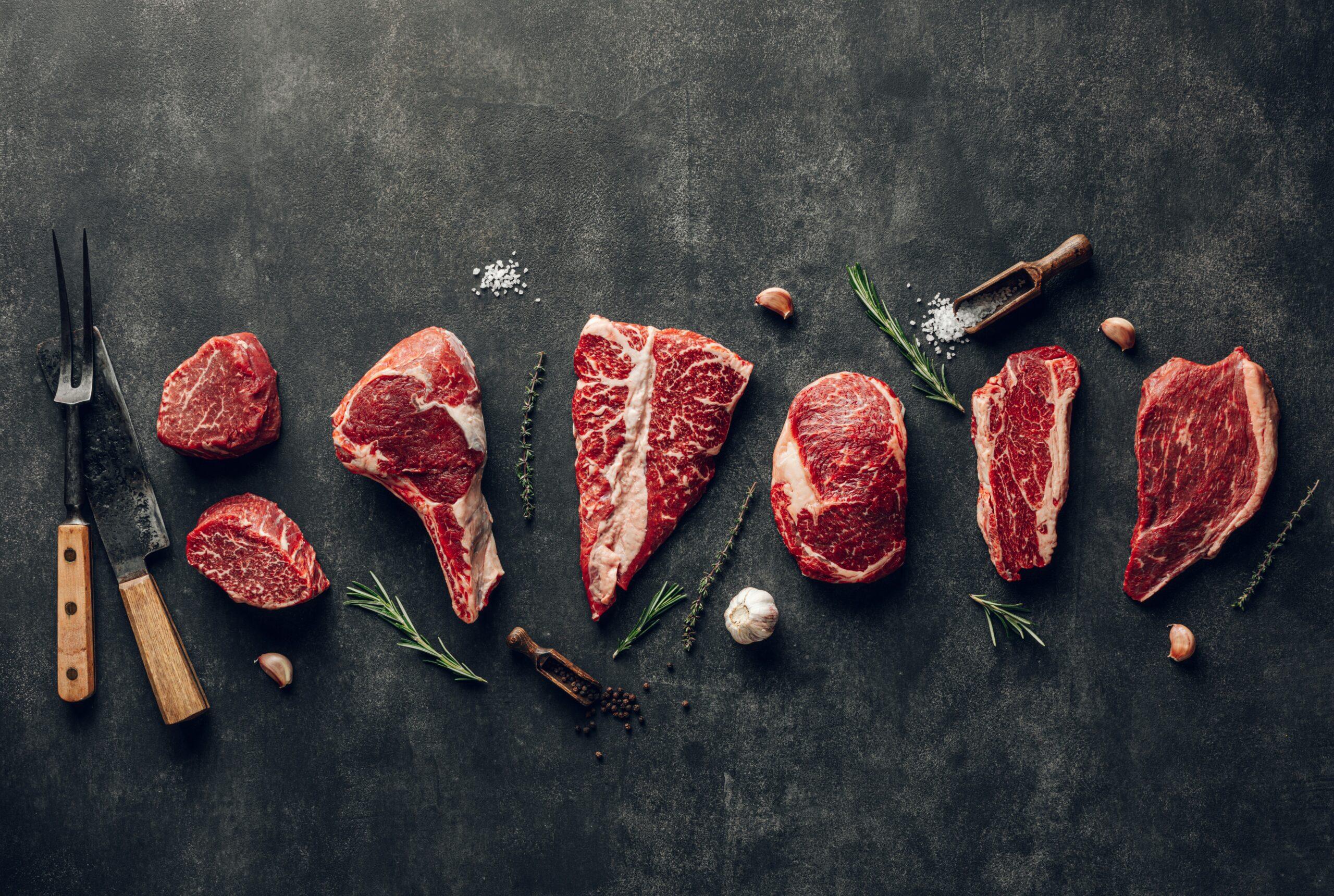
A new study has raised concerns that diets containing excessive amounts of meat, especially when they are very high in protein, may be linked to lower testosterone levels in men. Testosterone is a vital hormone responsible for muscle growth, bone strength, energy, mood, fertility, and sexual health.
Researchers reviewed several previous studies and found that men consuming extremely high-protein diets where protein made up more than 35% of their daily calorie intake tended to have lower testosterone levels than those following a balanced diet. While meat is an excellent source of protein and essential nutrients, experts say that too much of any one food can create a nutritional imbalance.
Does This Mean Meat Is Bad?
Not at all. Health professionals emphasize that meat itself is not the problem. Lean meat provides high-quality protein, iron, zinc, and vitamin B12, all of which are important for the body. The concern is excessive consumption, especially when processed meats and unhealthy eating habits replace a balanced diet.
What Can Help Maintain Healthy Testosterone Levels?
Doctors say that testosterone levels are influenced by more than just one food. A healthy body weight, regular physical activity, quality sleep, stress management, and a balanced diet all play important roles.
To naturally support healthy testosterone levels, experts recommend:
- Eating lean protein along with fish, eggs, beans, and nuts.
- Including plenty of fruits, vegetables, and whole grains.
- Exercising regularly, especially strength training.
- Sleeping 7–9 hours each night.
- Limiting processed foods and excessive alcohol consumption.
What Is the Study’s Main Message?
Researchers emphasize that the study does not suggest eliminating meat. Instead, it highlights the importance of moderation and dietary balance. Eating excessive amounts of red or processed meat without including other nutrient-rich foods may increase the risk of health problems and could be associated with lower testosterone levels.
Disclaimer: The content on this website is for informational purposes only and is not intended as medical advice, diagnosis, or treatment. Always consult a qualified healthcare professional before making any health-related decisions.