Scroll through any fitness feed today and you’ll notice one thing dominating the conversation protein. From influencers to packaged foods, everything seems to revolve around increasing protein intake. Social media is filled with recipes, snack ideas, and daily meal plans that claim to be “high protein.” But if you stop and question it, the obvious issue appears what does “high protein” actually mean?
Even though the term is used everywhere, there isn’t a strict or universally accepted definition. Experts in nutrition and sports science point out that the phrase is more flexible than people think. Michael Ormsbee explains that there’s no fixed threshold that clearly defines when something qualifies as high in protein. That means food labels using this claim are not always consistent or comparable.
Still, the rise of protein focused eating is not random. It is backed by decades of research showing that protein plays a key role in overall health. John Carbone highlights that consuming more protein than the basic recommended level can support weight management, improve muscle maintenance, and increase satiety. In simple terms, protein helps you feel fuller, supports your body during fat loss, and plays a role in maintaining lean muscle.
Why Protein Became So Popular
The current focus on protein is partly driven by better awareness of how nutrition impacts body composition. People are no longer just thinking about calories. They are looking at how different nutrients affect performance, recovery, and long term health.
Protein serves multiple important functions in the body:
- It helps repair and build muscle tissue
- It supports metabolic activity
- It contributes to fullness after meals
- It helps preserve muscle during weight loss
Because of these benefits, many people increase their protein intake, especially those who exercise regularly. However, the way protein is promoted online often exaggerates its role.
A product being labeled as “high protein” does not automatically make it healthy or necessary
Understanding Daily Protein Needs
To understand what “high protein” means, you first need to know the baseline.
The standard recommendation suggests around 0.8 grams of protein per kilogram of body weight per day. Grace Derocha explains that this level is designed to meet basic nutritional needs for most people.
For example, a person weighing 90 kilograms would require roughly 72 grams of protein daily to meet this minimum level.
This is not an optimal performance target. It is simply the minimum required to maintain basic bodily functions.
When Protein Intake Becomes “High”
Once intake goes above the minimum recommendation, it starts moving into a higher range.
Many experts define higher protein intake as roughly 0.7 to 1 gram per pound of body weight. This level is commonly recommended for individuals who:
- Train regularly
- Want to build muscle
- Aim to reduce body fat while maintaining muscle
For someone weighing 200 pounds, this could mean consuming between 140 and 200 grams of protein daily.
That is a significant increase compared to the baseline, which explains why many people actively try to boost their intake.
What a High Protein Meal Looks Like
Instead of focusing only on daily totals, it is useful to understand how protein is distributed across meals.
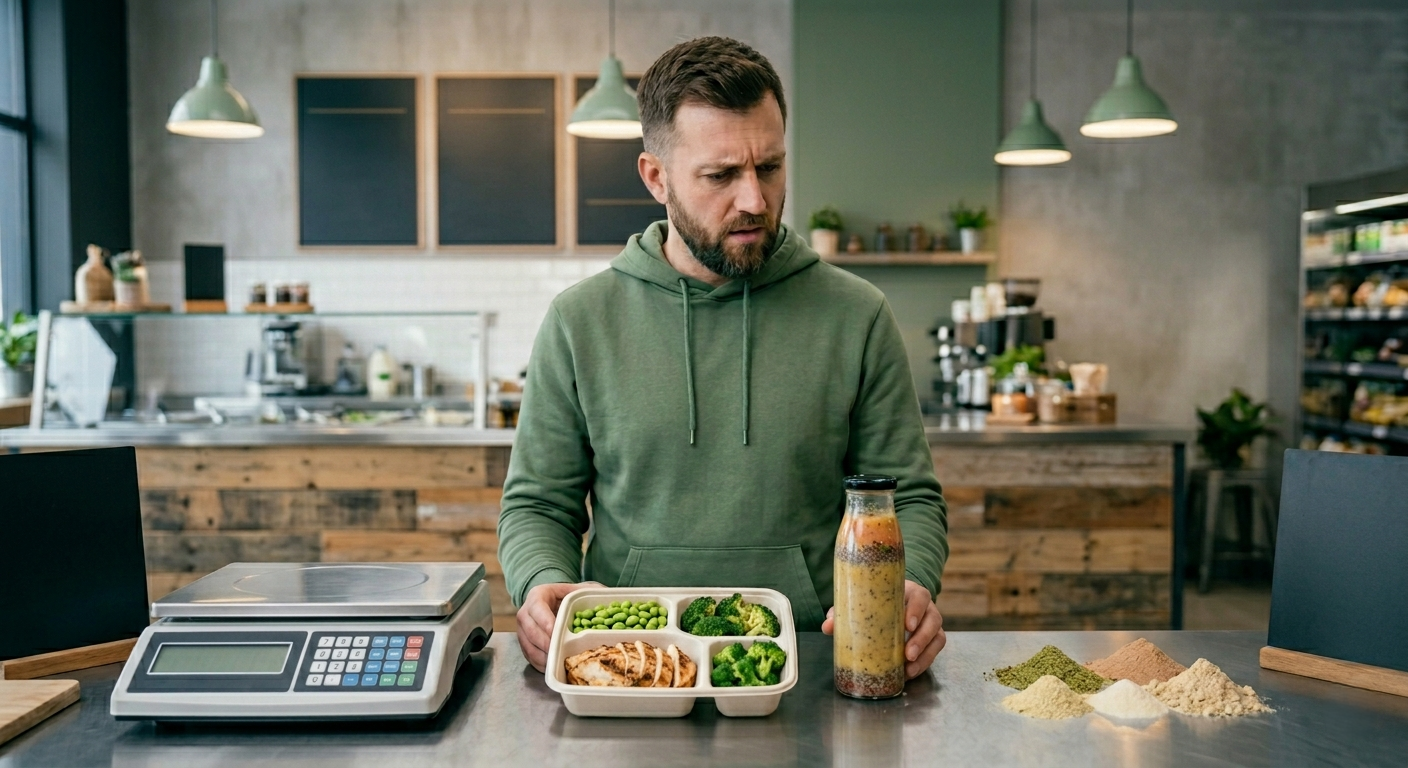
A meal is generally considered high in protein if it contains around 35 to 45 grams. In some cases, depending on body size and activity level, this amount may be slightly higher.
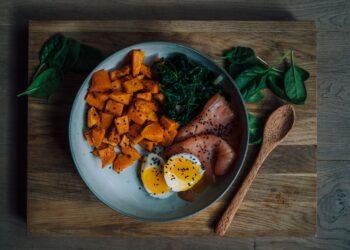
Examples of balanced high protein meals include:
- Grilled chicken with grains and vegetables
- Eggs combined with lean meat and whole grain toast
- Plant based meals using lentils, beans, and grains
- Fish served with vegetables and a carbohydrate source
These meals are not just about protein. They include a mix of nutrients that support overall health.
High Protein Snacks
Snacking habits have also shifted. Instead of choosing foods that are mostly sugar or refined carbohydrates, many people now look for protein rich options.
A snack is usually considered high in protein if it contains around 15 to 20 grams.
Some practical examples include:
- Eggs paired with nuts
- Protein shakes
- Tuna with whole grain crackers
- Jerky combined with fruit
John Carbone suggests a simple guideline for evaluating snacks. The grams of protein should be roughly 10 percent of the total calorie count. This helps ensure the snack is actually protein focused rather than just marketed that way.
Whole Foods Compared to Processed Options
One major issue with the protein trend is the increase in processed foods labeled as high protein. Bars, shakes, and packaged snacks are widely available and heavily marketed.
While these can be convenient, they are not always the best choice.
Whole foods remain the most reliable protein sources:
- Lean meats
- Eggs
- Dairy products
- Fish
- Legumes
These foods provide more than just protein. They contain vitamins, minerals, fiber, and other beneficial compounds.
Michael Ormsbee notes that protein fortified products can be useful in certain situations, but they should not replace whole foods entirely.
John Carbone also points out that whole foods contain additional nutrients that processed items often lack, including plant based compounds and fiber.
The Convenience Factor
There is a clear reason why protein bars and shakes are popular. They are quick, portable, and easy to consume.
For people with busy schedules, they can help meet daily protein goals. However, relying too much on them can reduce overall diet quality.
A better approach is to use them when needed:
- After workouts
- During travel
- When whole food options are limited
They should support your diet, not replace it.
Common Mistakes People Make
One of the biggest mistakes is assuming that more protein always leads to better results. While higher intake can be beneficial, there is still a limit to how much the body can use effectively.
Another issue is ignoring overall nutrition. A food can be high in protein but still unhealthy if it contains excessive sugar, unhealthy fats, or artificial ingredients.
People also tend to overestimate how much protein they actually need. Someone who is not physically active does not require the same intake as someone training regularly.
Protein and Weight Management
Protein is often linked to fat loss because of its effect on appetite. It helps you feel full, which can reduce overall calorie intake.
It also helps maintain muscle mass during weight loss, which is important for keeping metabolism stable.
However, protein alone does not cause fat loss. Total calorie balance still plays a major role.
Protein and Muscle Development
For muscle growth, protein intake becomes more important.
Muscle development requires:
- Resistance training
- Adequate protein intake
- Recovery
Without enough protein, the body cannot properly repair muscle tissue after exercise.
At the same time, increasing protein without training will not build muscle. Both factors must work together.
Finding a Practical Approach
Instead of blindly following trends, it is more effective to focus on balance.
A practical strategy includes:
- Meeting your daily protein needs
- Spreading protein intake across meals
- Prioritizing whole food sources
- Using supplements only when necessary
Trying to follow extreme diets or dramatically increasing protein without understanding your needs often leads to poor results.
Why Food Labels Can Be Misleading
Food packaging is designed to attract attention, and “high protein” is currently one of the most popular marketing terms.
Because there is no strict definition, companies can use it loosely. A product may be labeled high protein even if it only contains a moderate amount.
That is why it is important to check the nutrition label instead of relying on marketing claims.
Focus on:
- Actual protein content
- Ingredient quality
- Overall nutritional value
This gives a more accurate picture than front of package labels.
What Actually Matters
Protein is important, but it is only one part of a much larger picture.
Health and fitness depend on:
- Overall diet quality
- Consistency over time
- Physical activity
- Sleep and recovery
Focusing only on protein while ignoring everything else will not deliver meaningful results.
The current protein trend is based on real science, but it is often exaggerated online. Understanding how protein actually works helps you make better decisions without falling into marketing traps.
If you approach it with balance and awareness, increasing protein intake can be useful. If you treat it as a shortcut, it will not give you the results you expect.Is Your Food Really High in Protein?
Disclaimer: The content on this website is for informational purposes only and is not intended as medical advice, diagnosis, or treatment. Always consult a qualified healthcare professional before making any health-related decisions. Images used in this article are AI-generated illustrations.