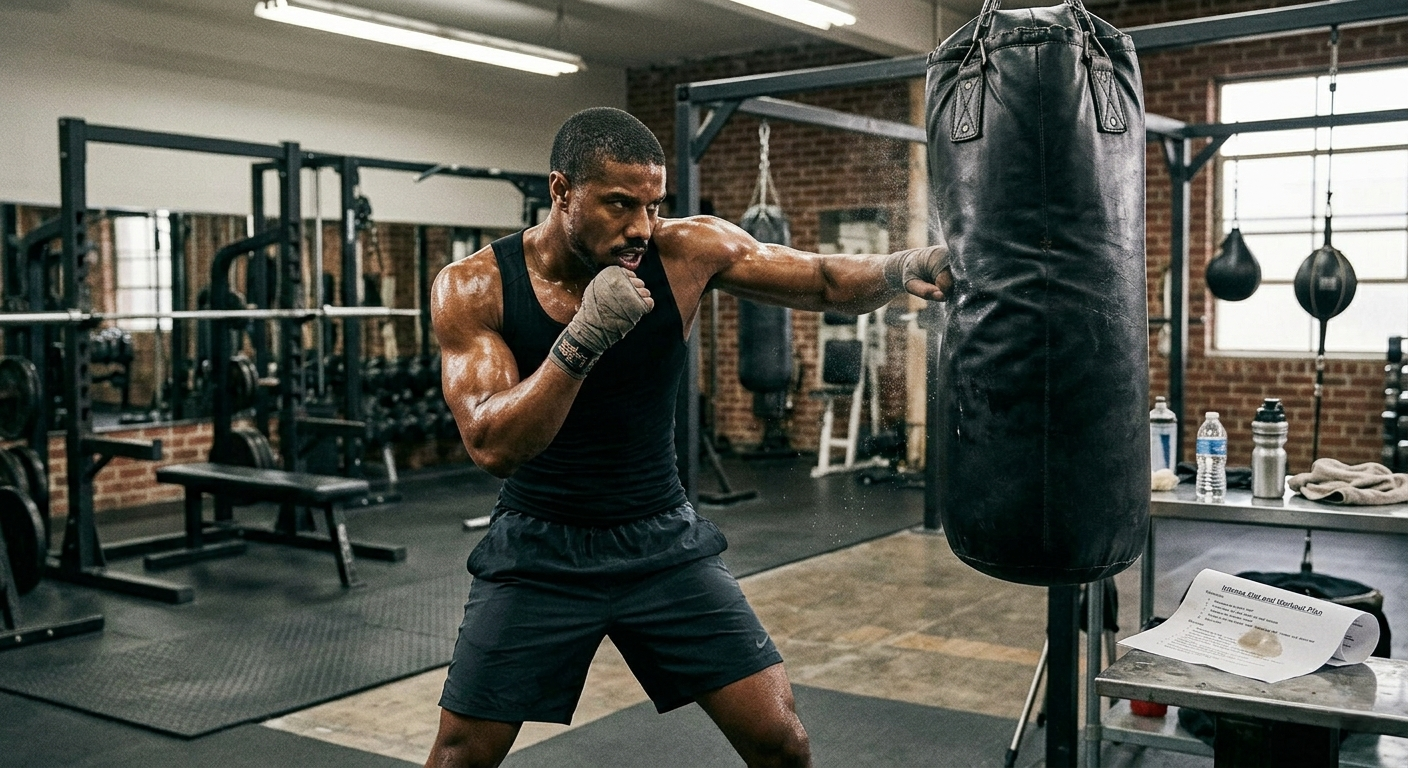
If you’re aiming to build a strong, athletic physique similar to what you see in high level boxing films, then you need more than just casual workouts and random dieting. The transformation achieved by Michael B. Jordan is a clear example of what structured training and disciplined nutrition can do over time. His preparation for the Creed film series required not only visual muscle development but also real performance ability including endurance, agility, and strength.
Over the years, his physical appearance has changed significantly. Early in his acting career, he had a lean and relatively average build. That changed when he started taking on physically demanding roles, especially in boxing based films. His role as Adonis Creed demanded a physique that looked believable inside the ring, not just something that looked good in still photos. That meant building muscle while staying fast and conditioned.
Physical Profile and Background
Michael B. Jordan stands around 6 feet tall and typically maintains a body weight between 185 and 200 pounds depending on the role. For boxing related roles, he stayed closer to the lower end of that range to maintain definition and mobility.
Born in Santa Ana, California and raised in New Jersey, he began his career at a young age. Before acting, he worked in modeling and slowly transitioned into television and film. His early roles helped him gain recognition, but it was his later performances that pushed him into top tier status. Along with fame came the need to physically transform his body to match demanding roles.
Nutrition Approach for Muscle Growth
The foundation of his transformation was diet. Training alone does not build muscle unless the body is properly fueled. His eating plan was designed to support muscle growth, maintain energy levels, and keep body fat under control.
During intense preparation phases, he followed a six meal per day structure. This helped maintain a steady supply of nutrients and supported recovery.
A typical day of eating included:
Meal 1
- Egg whites with one whole egg
- Carbohydrates such as oats or rice
Meal 2
- Protein shake
- Complex carbohydrates
Meal 3
- Lean protein like chicken or turkey
- Carbohydrates such as rice or sweet potato
- Green vegetables
Meal 4
- Lean protein source
- Moderate carbohydrate portion
Meal 5
- Protein shake
- Carbohydrates
Meal 6
- Lean protein
- Vegetables
- Healthy fats such as olive oil
The diet focuses on a few key principles:
- High protein intake for muscle repair and growth
- Controlled carbohydrates for energy
- Healthy fats for hormone support
- Vegetables for digestion and nutrients
This type of eating is repetitive and not particularly exciting. That’s intentional. Simplicity makes consistency easier, and consistency is what drives results.
Flexibility in Diet
Despite the structured plan, occasional flexibility was included. A controlled cheat meal once a week helped maintain balance. Completely restricting enjoyable foods usually leads to burnout or overeating later.
The idea is simple. Follow the plan most of the time, allow some flexibility occasionally, and avoid extremes.
Supplement Use
To support training demands, basic supplements were included:
- Protein powder to meet daily protein goals
- Pre workout formulas for energy
- Recovery supplements to support muscle repair
These only support progress. Without proper diet and training, they do nothing meaningful.
Training Structure and Philosophy
The training approach combined two methods:
- Athletic conditioning for performance
- Bodybuilding techniques for muscle size and definition
This combination created a physique that is not just muscular but also functional. That is important for roles involving movement, speed, and endurance.
The program followed a four day split, targeting different muscle groups with high intensity and volume.
Day 1 Training Focus
Upper body pushing and pulling movements were combined in a single session.
Key exercises included:
- Incline dumbbell press
- Dumbbell fly variations
- High volume push ups
- Triceps focused movements like dips and kickbacks
This session builds chest, shoulders, and arm strength while also testing endurance.
Day 2 Training Focus
The second day focused on back and arm development.
Exercises included:
- Dumbbell rows
- Pulldown variations
- Barbell curls
- Hammer curls
This session improves pulling strength and adds size to the arms and back.
Day 3 Training Focus
Lower body and core training were the priority.
Exercises included:
- Lunges
- Deadlifts
- Leg curls
- Squats with high volume
Core training involved multiple movements:
- Crunch variations
- Leg raises
- Resistance based abdominal exercises
This day is physically demanding and often avoided by beginners, but it is critical for overall strength and balance.
Day 4 Training Focus
The final day returned to upper body work with added emphasis on endurance.
Exercises included:
- Dumbbell bench press
- Push up variations
- Arm isolation exercises
- Core circuits
This session reinforces muscle development while increasing fatigue resistance.
Additional Conditioning Work
To match the demands of boxing, additional conditioning was included.
This involved:
- Shadow boxing
- Jumping movements
- Bodyweight conditioning drills
- High intensity interval style circuits
These exercises improve cardiovascular fitness and coordination while also helping reduce body fat.
Shoulder and Performance Training
Shoulder development was trained separately to improve upper body balance and strength.
Exercises included:
- Press variations
- Lateral raises
- Rear shoulder movements
Strong shoulders are essential not just for appearance but also for overall upper body performance.
Training Intensity
The program relied heavily on:
- High volume training
- Minimal rest between sets
- Circuit style workouts
This approach increases both muscular endurance and calorie expenditure. It also forces the body to adapt more quickly.
What Most People Get Wrong
A lot of people try to copy celebrity workouts and expect fast results. That approach usually fails because they ignore the level of commitment required.
This type of transformation requires:
- Consistent training over long periods
- Structured eating habits
- Progressive overload in workouts
- Proper sleep and recovery
Missing any of these reduces results significantly.
Another common mistake is underestimating diet. You cannot out train poor eating habits. If nutrition is not controlled, muscle growth slows down and fat loss becomes inconsistent.
Practical Takeaways
Instead of copying everything exactly, focus on what actually matters:
- Maintain a consistent workout schedule
- Eat enough protein daily
- Track your progress in the gym
- Increase intensity gradually
- Avoid relying on motivation and build discipline
Trying to follow everything perfectly from day one usually leads to burnout. A better approach is to build habits step by step and increase intensity over time.
Building a physique like Michael B. Jordan requires structure, discipline, and patience. The plan itself is not complicated, but executing it consistently is where most people fail.
Disclaimer: The content on this website is for informational purposes only and is not intended as medical advice, diagnosis, or treatment. Always consult a qualified healthcare professional before making any health-related decisions. Images used in this article are AI-generated illustrations.