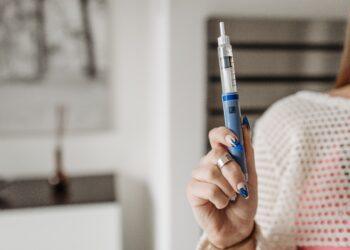

A new trend called “Ozempic microdosing” is gaining attention as more people look for ways to make weight-loss medications last longer, reduce costs, or minimize side effects.
The idea involves taking smaller-than-prescribed doses of GLP-1 medications like Ozempic. While it may sound like a practical approach, experts say there’s still limited research on whether it’s safe or effective for most people.
What Is Microdosing?
Microdosing generally refers to taking smaller amounts of a medication than the standard prescribed dose. Some people believe lower doses may help reduce side effects while still supporting weight management. However, in many cases, people who describe themselves as “microdosing” are simply staying on the medication’s lower starting dose or delaying dose increases that are normally part of a treatment plan.
At this time, there are no established medical guidelines for microdosing medications like Ozempic. While some people on social media report using doses that are much lower than standard prescriptions, there isn’t enough scientific evidence to confirm that this approach is safe or effective. If you’re considering changing your medication dose, it’s important to discuss it with your healthcare provider rather than relying on online advice.
Why Are People Trying It?
One of the biggest reasons people are interested in microdosing is cost. Some hope that using less medication will stretch their prescription and make treatment more affordable.
Others believe smaller doses may be enough to help maintain weight loss or reduce unwanted side effects. While these reasons may seem appealing, experts say there isn’t enough clinical evidence to confirm that microdosing provides the same benefits as standard treatment.
Potential Risks to Consider
Although the trend is growing online, experts caution that microdosing GLP-1 medications remains an off-label and unproven approach.
Using doses that haven’t been thoroughly studied may reduce the medication’s effectiveness, making it harder to achieve the intended results. For people using compounded medications from multi-dose vials, there’s also a greater chance of measuring an incorrect dose, which could lead to taking too little or too much of the medication.
Medical Supervision Is Essential
Healthcare providers stress that weight-loss medications should never be adjusted without professional guidance.
A healthcare provider can determine the appropriate dose, monitor your progress, manage side effects, and decide whether changes to your treatment plan are necessary. Making dose adjustments on your own may increase the risk of complications or reduce the medication’s effectiveness.
What to Remember
Microdosing may sound like a simple way to lower costs or reduce side effects, but it isn’t a strategy that’s been proven safe or effective for everyone.
If you’re thinking about changing how you take a GLP-1 medication, talk with your healthcare provider first. The safest approach is one that’s based on your individual health needs and guided by medical advice.
Disclaimer: The content on this website is for informational purposes only and is not intended as medical advice, diagnosis, or treatment. Always consult a qualified healthcare professional before making any health-related decisions.