What Happens When You Stop Ozempic?
For many people using GLP-1 medications like Ozempic or Wegovy, one of the biggest questions is what happens after treatment ends. A new study suggests that stopping the medication does not automatically mean a person will regain all the weight they lost. While some weight regain is common, the results vary from person to person.
Researchers found that people who maintained healthy eating habits and stayed physically active were more likely to keep off a significant portion of their weight loss. This shows that lifestyle choices continue to play an important role even after medication is discontinued.
Why Do Some People Regain Weight?
Experts explain that GLP-1 medications work by reducing appetite and helping people feel full for longer. Once the medication is stopped, these effects gradually wear off, and hunger may return. Without healthy habits, it becomes easier to consume more calories, which can lead to gradual weight gain.
Why Can Weight Return?
Doctors explain that GLP-1 medications help control hunger by affecting hormones that regulate appetite. After stopping treatment, these effects gradually wear off. As a result, people may begin feeling hungrier, making it easier to eat more calories than the body needs.
Should You Stop Ozempic on Your Own?
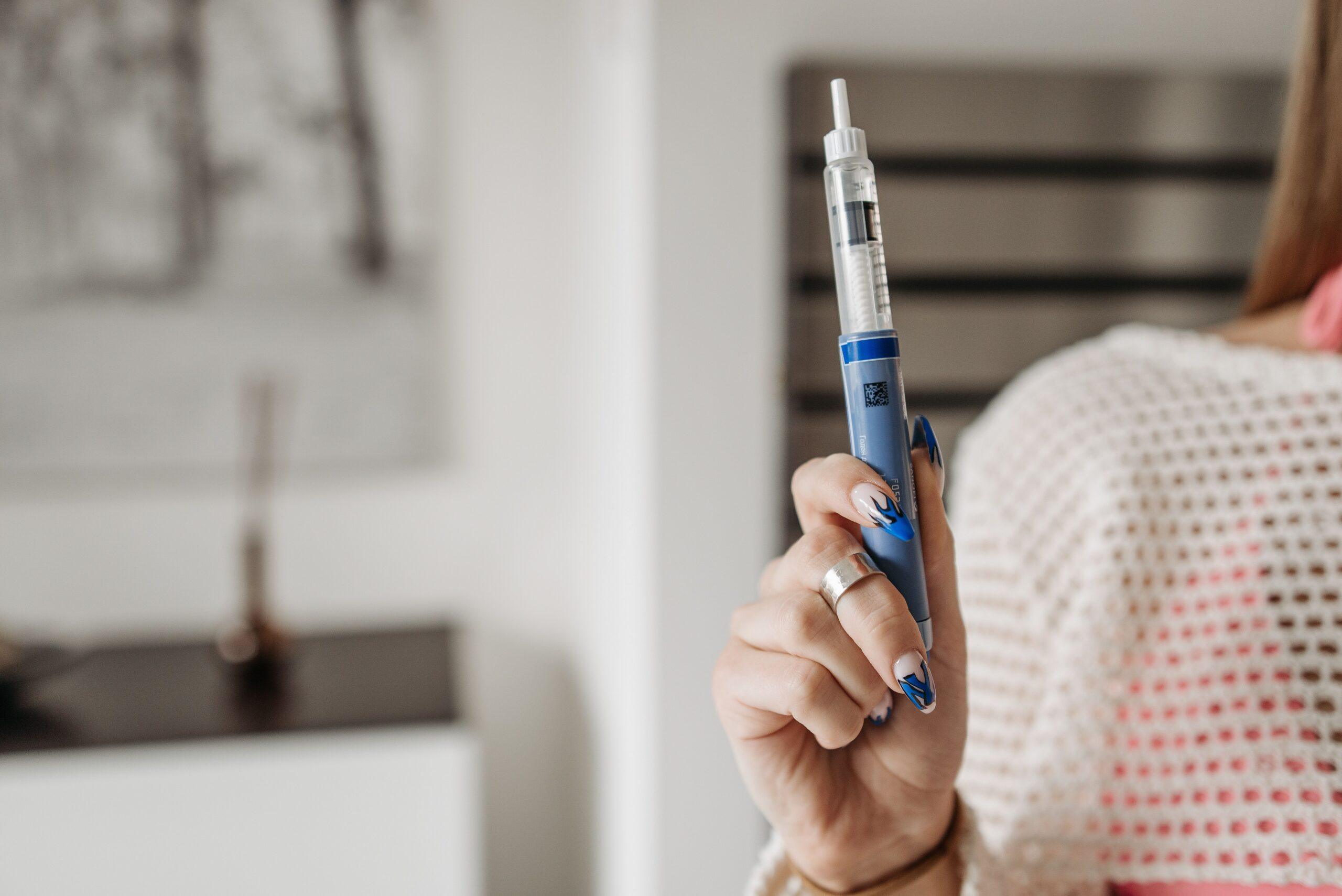
Healthcare professionals strongly advise against stopping Ozempic or similar medications without medical guidance. Every person’s health condition is different, and doctors may suggest a gradual treatment plan or alternative strategies based on individual needs.
For people taking the medication to manage diabetes, stopping it suddenly could also affect blood sugar levels.
Why Lifestyle Still Matters
Doctors emphasize that GLP-1 medications are only one part of a successful weight-management plan. People who continue eating a balanced diet, exercising regularly, getting enough sleep, and managing stress are generally more likely to maintain their weight after stopping the medication.
Disclaimer: The content on this website is for informational purposes only and is not intended as medical advice, diagnosis, or treatment. Always consult a qualified healthcare professional before making any health-related decisions.