
Maybe the diet that worked in your 30s doesn’t seem to work anymore.
You’re eating roughly the same way, staying active, and doing the things that used to help, but the scale isn’t responding like it once did.
That doesn’t necessarily mean you’re doing something wrong. Your body may simply be changing.
As women move through their 40s and menopause, changes in hormones, muscle mass, activity, and where the body stores fat can all affect weight.
The answer isn’t necessarily to work harder. Sometimes, it’s about changing the strategy.
THEN: Your Old Routine Worked
Maybe you used to cut back on food for a few weeks, add some cardio, and see the scale start moving.
Or perhaps simply being more active during the day was enough to keep your weight where you wanted it.
That approach may have worked because your body and daily routine were different.
But after 45, the same strategy may not produce the same results.
NOW: Your Body May Be Changing
One of the noticeable changes during menopause is that the body tends to store fat.
Instead of carrying more weight around the hips and thighs, many women notice more weight collecting around the abdomen.
At the same time, muscle mass can gradually decline with age. Since muscle uses energy even when you’re resting, losing muscle can affect how much energy your body uses throughout the day.
“The routine didn’t necessarily stop working. Your body may have changed.”
That’s an important distinction.
Instead of assuming you need to eat less and exercise more, it may be worth looking at what your current routine is actually missing.
THEN: Eat Less to Lose Weight
When weight loss becomes harder, cutting calories dramatically can seem like the obvious answer.
But eating less isn’t always the best long-term strategy.
Very restrictive diets can be difficult to maintain and may leave you feeling hungry, tired, or constantly focused on food.
NOW: Build Better Meals
A more sustainable approach is to focus on the overall quality of your diet.
Build meals around:
- Vegetables and fruits
- Whole grains
- Lean sources of protein
- Healthy fats
- Fiber-rich foods
These foods can provide important nutrients while helping meals feel more satisfying.
The goal isn’t simply to put less food on your plate. It’s to make more of the food on your plate work for you.
Small changes can be enough.
You might add more vegetables to dinner, include a protein-rich food at breakfast, or replace a highly processed snack with something more filling.
THEN: Cardio Was the Main Workout
Walking, jogging, cycling, and other forms of cardio can be excellent for your heart and overall fitness.
But if your routine is mostly cardio, you may be overlooking something that becomes increasingly important with age.
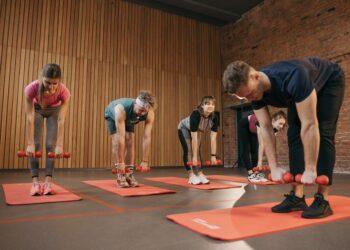
NOW: Make Strength Training Part of the Plan
Resistance exercise can help maintain muscle as you age, support strength, and make everyday activities easier.
That doesn’t mean you need to spend hours in a gym.
Weights, resistance bands, machines, and bodyweight exercises can all provide resistance. Consistent training a few times a week can be a good place to start.
“After 45, the goal isn’t just to lose weight. It’s to stay strong while you do it.”
Walking and other forms of regular movement can complement strength training and help you stay active throughout the day.
THEN: The Scale Was the Scoreboard
For many women, the number on the scale becomes the easiest way to decide whether a diet is working.
If the number goes down, it feels like progress.
If it doesn’t, it can feel like failure.
But there’s a better way to look at it.
NOW: Look at the Whole Picture
Weight isn’t the only way to measure progress.
Pay attention to other changes, too:
WAIST SIZE
How your clothes fit and whether your waist measurement is changing.
STRENGTH
Whether everyday activities are becoming easier.
ENERGY
How you feel throughout the day.
FITNESS
Whether you’re able to walk farther, lift more, or stay active for longer.
HEALTH
Whether your eating and activity habits are supporting your overall well-being.
Healthy eating and regular physical activity can benefit your health even when the number on the scale doesn’t change dramatically.
A New Stage Needs a New Strategy
If your old weight-loss routine isn’t working the way it used to, you don’t have to give up.
You may simply need to adjust your approach to match where your body is now.
Instead of asking, “Why isn’t my old routine working?” ask, “What does my body need now?”
That might mean putting more emphasis on protein and nutritious foods, adding strength training, moving more throughout the day, or paying attention to progress beyond the scale.
You don’t need to chase rapid results.
You need a routine that works for where you are now and can support you for years to come.
Disclaimer: The content on this website is for informational purposes only and is not intended as medical advice, diagnosis, or treatment. Always consult a qualified healthcare professional before making any health-related decisions.