
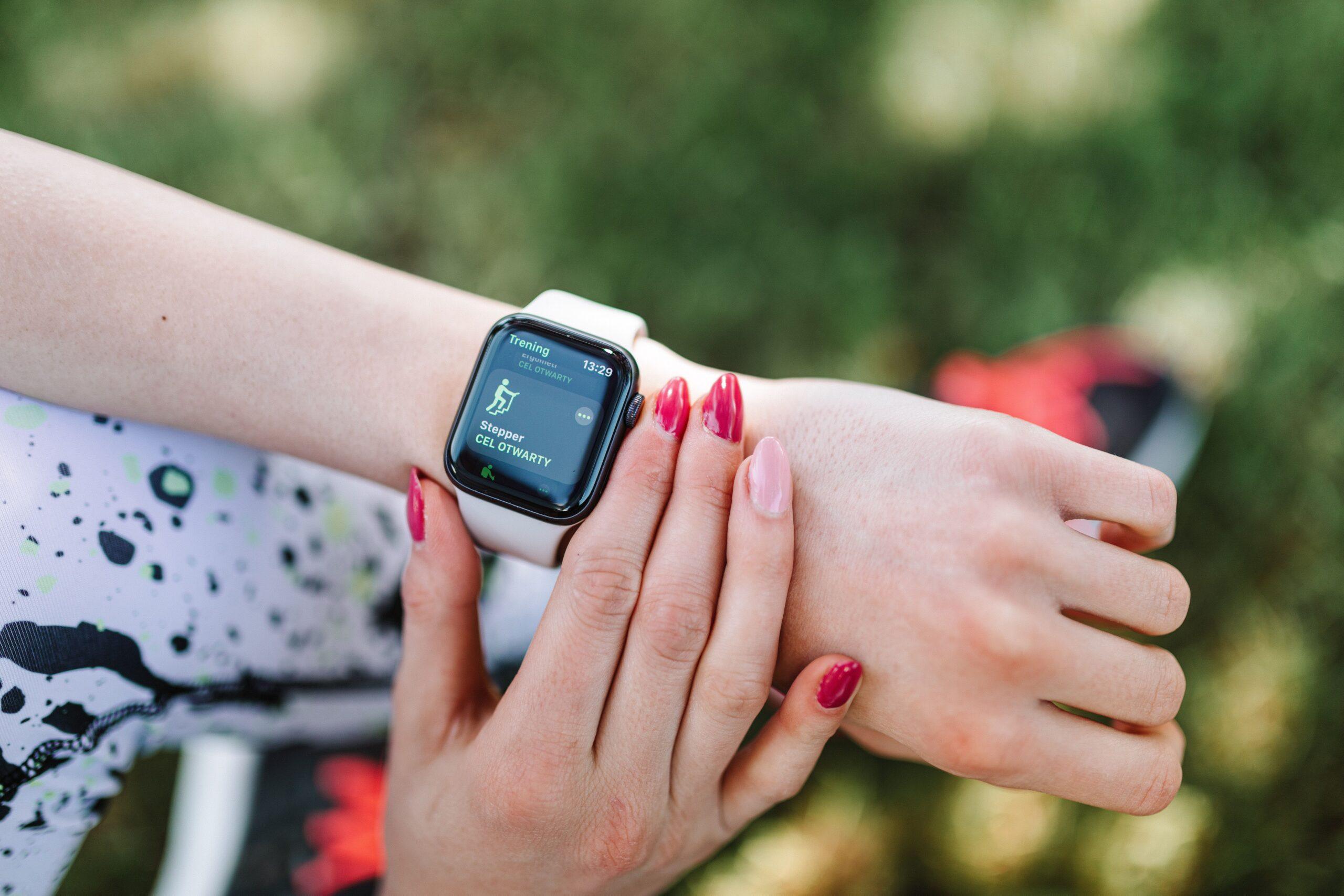
In an age where technology dominates, fitness trackers have become essential tools for health enthusiasts. These devices offer precise metrics on heart rate, steps taken, and sleep quality, bridging the gap between subjective feelings and objective data. However, it’s essential to use these gadgets wisely to ensure they enhance rather than hinder personal well-being.
Understanding Data Accuracy
Not all fitness trackers provide equally reliable data. While heart rate and step counts are generally accurate, other metrics like calories burned can have significant errors. The quality of both hardware and software plays a critical role in data reliability, making it crucial to choose devices from reputable brands.
“Fitness trackers can be valuable allies in personal health, but understanding their limitations is key,” experts say. Users must assess the accuracy of their devices to make informed health decisions.
Striking a Balance: When Tracking Helps
Tracking devices can significantly benefit those looking to improve their health. They provide insights into behaviors and physiological responses, allowing individuals to fine-tune their routines. However, an overload of information can lead to decision paralysis, making it challenging to identify the most beneficial changes.
Finding the sweet spot of data consumption, akin to an inverted U curve, is vital. Too little information doesn’t support decision-making, while too much can be overwhelming. The goal is to collect just enough data to inform and motivate without causing stress.
Signs of Effective Tracker Use
There are clear indicators that a fitness tracker is beneficial. Firstly, if its use reduces stress and validates your methods, it’s likely helpful. For example, Zak used a heart rate monitor to validate his exercise routine, which helped decrease his stress and improve his performance.
Such devices can also boost confidence in one’s health journey, reinforcing positive behaviors and outcomes. Coaches can leverage this data to better support clients, enhancing their overall fitness journey.
Finally, consider whether the tracker aids in achieving wellness goals. If so, it’s serving its purpose; if not, it may be time to reevaluate its use.
This article explores the balance needed when using fitness trackers to enhance personal health. It discusses data accuracy, the pros and cons of tracking, and signs of effective device use. Understanding these aspects helps individuals make informed decisions about integrating technology into their fitness routines.
Disclaimer: The content on this website is for informational purposes only and is not intended as medical advice, diagnosis, or treatment. Always consult a qualified healthcare professional before making any health-related decisions. Images used in this article are AI-generated illustrations.