
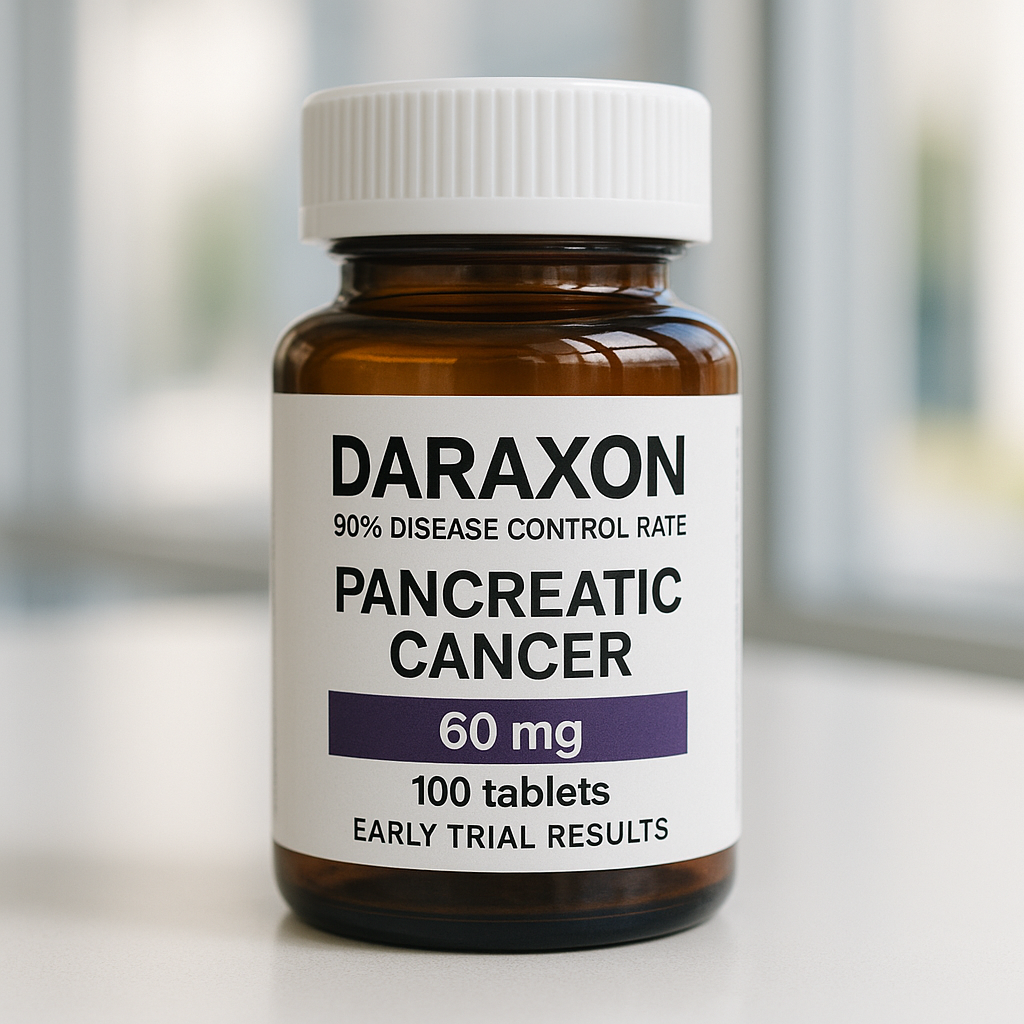
In a significant breakthrough for cancer treatment, a new drug for pancreatic cancer has demonstrated an impressive 90% disease control rate. This promising development marks a hopeful step forward as the drug advances to Phase 3 clinical trials.
Encouraging Trial Results
The drug, named Daraxon, has stunned researchers with its effectiveness in early trials. Pancreatic cancer, known for its aggressive nature and poor prognosis, currently lacks effective treatment options. The 90% disease control achieved in preliminary trials offers renewed hope for patients battling this challenging condition.
Experts highlight the potential of targeted treatments like Daraxon to transform cancer care. “Breakthroughs in targeted therapy can significantly improve patient outcomes,” scientists affirm.
Implications for Future Treatment
The upcoming Phase 3 trials will further evaluate Daraxon’s safety and efficacy on a larger scale. Success in these trials could lead to regulatory approval and a new standard of care for pancreatic cancer patients. The medical community is optimistic, yet cautiously aware of the challenges that lie ahead.
Pancreatic cancer has one of the lowest survival rates among all cancers, making the development of effective treatments crucial. The advancement of Daraxon is a beacon of hope for the future of oncology.
Potential Impact on Patient Care
If successful, Daraxon could dramatically alter the treatment landscape for pancreatic cancer. Patients and families are eagerly watching the progress of this drug, which could provide improved quality of life and survival rates.
The success of such treatments underscores the importance of continued investment in cancer research. As one expert noted, “Innovations in cancer treatment hold the potential to change lives and advance the field significantly.”
A new pancreatic cancer drug, Daraxon, achieves a remarkable 90% disease control rate in early trials, marking a hopeful advancement as it heads to Phase 3. This breakthrough could reshape treatment and offer new hope for patients with this aggressive cancer.
Disclaimer: The content on this website is for informational purposes only and is not intended as medical advice, diagnosis, or treatment. Always consult a qualified healthcare professional before making any health-related decisions. Images used in this article are AI-generated illustrations.