When people think of protein, meat is often the first food that comes to mind. But nutrition experts say there are plenty of nutritious, protein-rich alternatives that can support muscle health while offering additional benefits such as fiber, vitamins, minerals, and heart-healthy nutrients. They also note that reducing red and processed meat intake may lower the risk of heart disease, type 2 diabetes, and certain cancers.
Here are five standout non-meat protein sources worth adding to your meals:
1. Tempeh
Made from fermented soybeans, tempeh is one of the highest-protein plant foods, delivering around 34 grams of protein per cup. Fermentation also improves the availability of nutrients such as iron, calcium, and magnesium. Plus, its fiber and antioxidants may support gut and heart health. Marinating or seasoning tempeh can enhance its naturally earthy flavor.
2. Firm Tofu
Firm tofu is another versatile soy-based option, providing roughly 23 grams of protein per half block. When made with calcium sulfate, it’s also an excellent source of calcium and supplies iron and magnesium. Tofu contains beneficial plant compounds called isoflavones, which are linked to reduced inflammation and improved heart health.
3. Greek Yogurt
For those who consume dairy, Greek yogurt offers a complete protein containing all nine essential amino acids. It’s also rich in calcium and vitamin D, nutrients that help maintain strong bones and muscles. As an affordable, convenient snack or breakfast option, Greek yogurt makes it easy to boost daily protein intake.
4. Beans
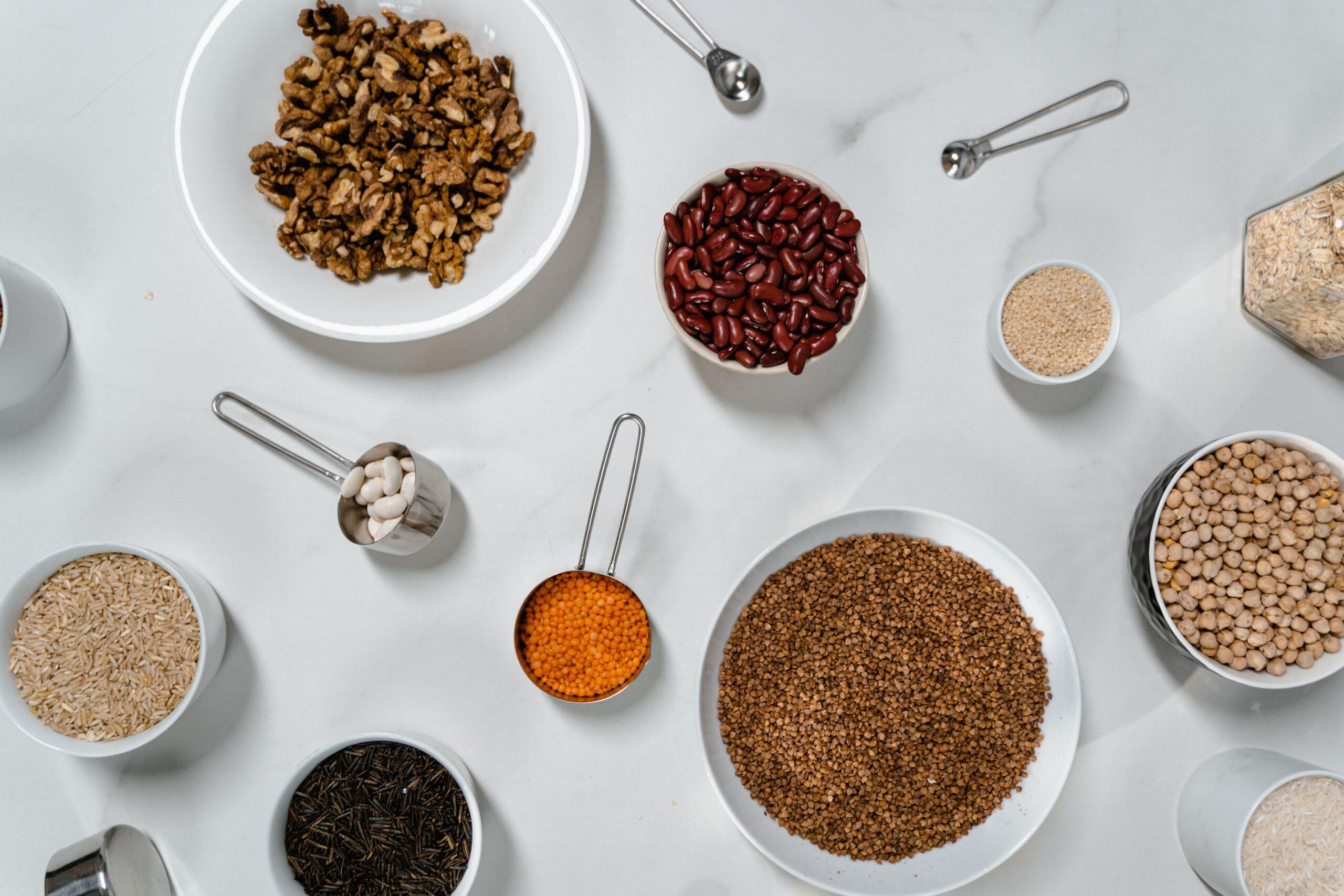
Beans such as black beans, chickpeas, and lentils are nutritional powerhouses. In addition to protein, they provide plenty of fiber, which supports digestive health and helps regulate blood sugar levels. They’re also good sources of iron and can easily replace meat in dishes like tacos, chili, soups, and salads.
5. Nuts and Seeds
Almonds, peanuts, pumpkin seeds, chia seeds, flaxseeds, and sunflower seeds all contribute valuable plant-based protein alongside healthy fats, fiber, magnesium, and vitamin E. Whether enjoyed as trail mix, sprinkled over yogurt, or spread as peanut butter on whole-grain toast, they’re an easy way to add protein throughout the day.
The Bottom Line
Getting enough protein doesn’t require eating meat at every meal. By incorporating foods like tempeh, tofu, Greek yogurt, beans, nuts, and seeds, you can meet your protein needs while gaining a variety of nutrients that support overall health. A balanced mix of protein sources can be both nutritious and satisfying.
Disclaimer: The content on this website is for informational purposes only and is not intended as medical advice, diagnosis, or treatment. Always consult a qualified healthcare professional before making any health-related decisions.