
When it comes to healthy eating, many people focus on one number: calories.
While calories do play a role in maintaining a healthy weight, they’re only part of the picture. The foods you choose can have just as much impact on your energy levels, heart health, and overall well-being.
Instead of worrying about every calorie, try thinking about what’s actually on your plate.
It’s About Balance, Not Perfection
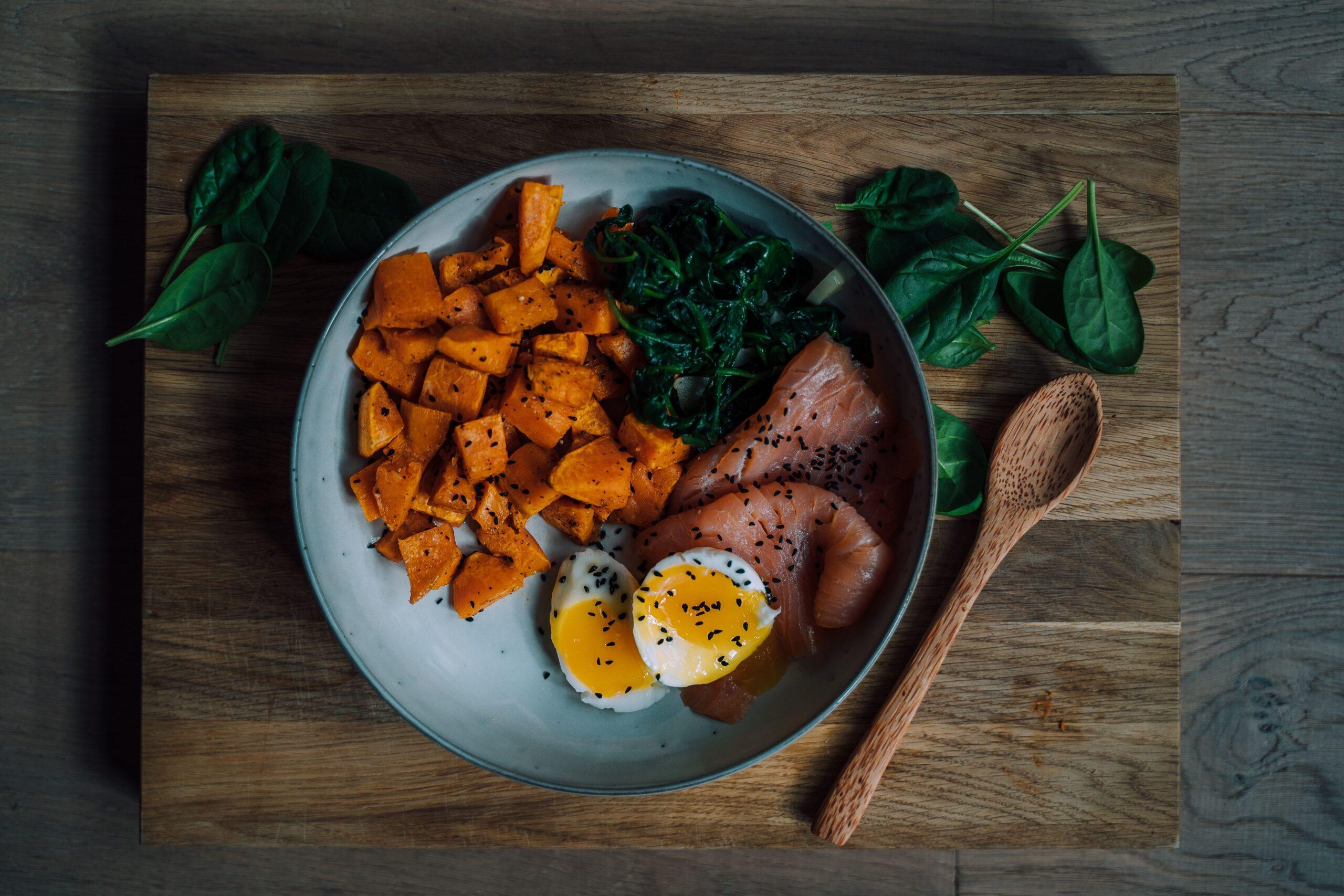
A balanced meal gives your body the nutrients it needs to function at its best. That means including a mix of vegetables, fruits, whole grains, lean proteins, and healthy fats instead of relying on highly processed foods.
No single food can provide everything your body needs, which is why variety matters. The more colorful and balanced your meals are, the more nutrients you’re likely to get.
Build a Better Plate
One simple way to create balanced meals is to divide your plate into sections.
Fill about half your plate with vegetables and fruits, one-quarter with whole grains like brown rice or oats, and the remaining quarter with lean protein such as fish, chicken, beans, or tofu. Adding healthy fats from foods like nuts, seeds, olive oil, or avocado can also help round out your meal.
This approach makes healthy eating easier without the need to count every calorie.
Food Quality Makes a Difference
Not all calories affect your body in the same way.
Whole, minimally processed foods tend to provide more vitamins, minerals, fiber, and protein nutrients that help keep you satisfied and support your overall health. Highly processed foods, on the other hand, are often higher in added sugars, unhealthy fats, and sodium while offering fewer nutrients.
Choosing whole foods more often can help you feel fuller, support healthy digestion, and make it easier to maintain healthy eating habits over time.
Small Changes Add Up
Healthy eating doesn’t have to mean completely changing your diet overnight.
Simple swaps like choosing whole-grain bread instead of white bread, adding an extra serving of vegetables to dinner, or replacing sugary drinks with water can make a meaningful difference over time.
The goal isn’t to eat perfectly. It’s to make choices you can stick with day after day.
A Healthier Path Forward
A healthy diet isn’t about chasing the lowest calorie count; it’s about giving your body the nutrients it needs to thrive. Building balanced meals with plenty of whole foods, lean protein, healthy fats, and fiber can support your health in ways that go far beyond the number on a nutrition label.
Start with one meal at a time. Small, consistent changes are often the easiest to maintain, and over time, they can have a lasting impact on your overall health.