
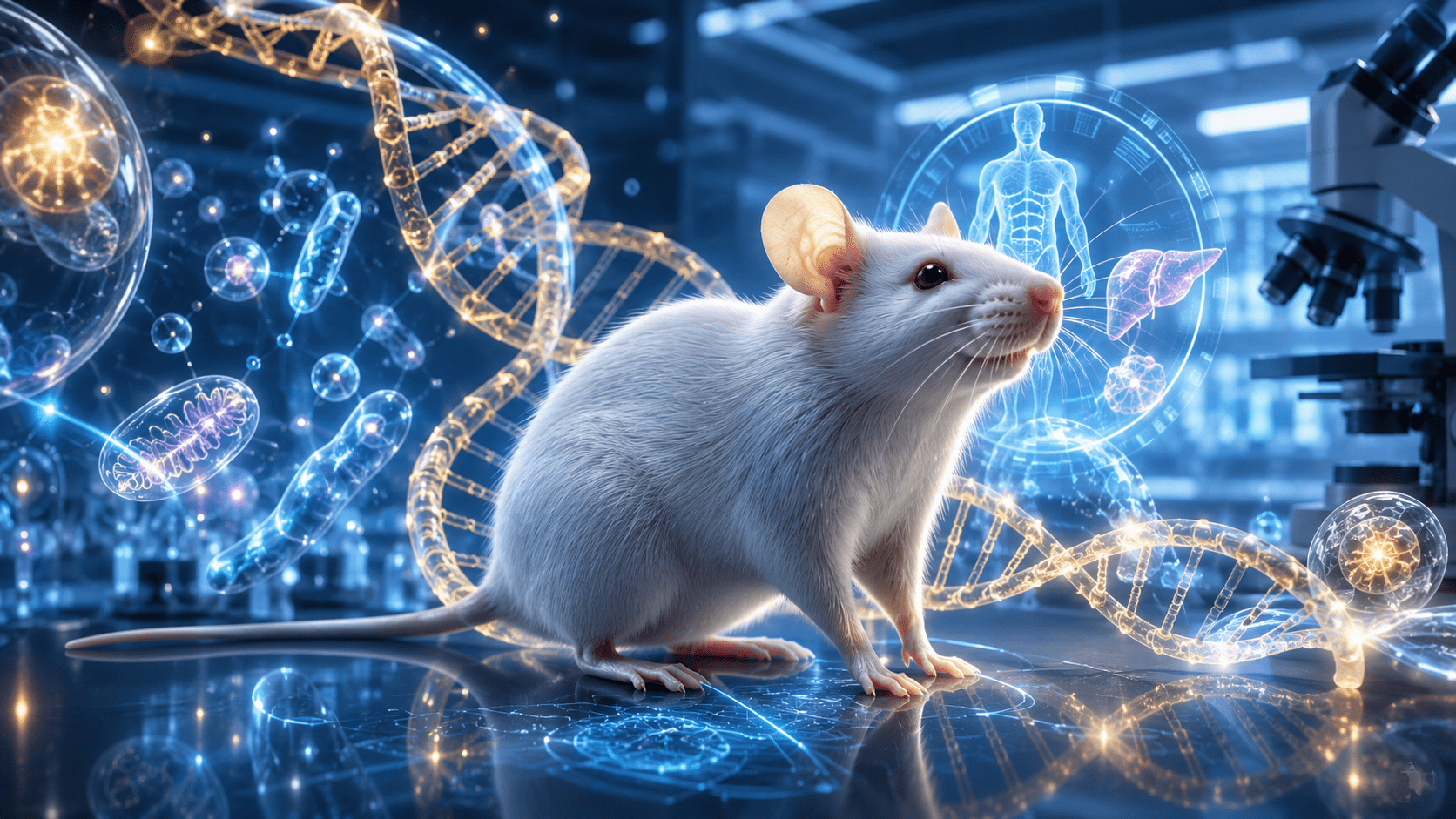
In a groundbreaking study, researchers from the Autonomous University of Barcelona have demonstrated a remarkable 20% increase in lifespan for mice through a late-life gene therapy targeting muscle tissue. This innovative approach leverages the hormone fibroblast growth factor 21 (FGF21) to significantly enhance health markers and longevity, with promising implications for future human applications.
Innovative Approach to Healthy Aging
The study, published in Molecular Therapy, utilized adeno-associated virus (AAV) delivery to introduce the FGF21 gene into the leg muscles of 13-month-old male mice. This genetic intervention transformed muscle tissue into a continuous source of FGF21, a hormone known for its role in metabolic regulation and energy balance.
FGF21 has previously been targeted for its potential in treating metabolic diseases, with promising results in reversing conditions such as fatty liver disease and obesity. “Longevity research continues to explore how lifestyle and science may support healthier aging,” experts say, highlighting the broader implications of these findings.
Metabolic Enhancement and Lifespan Extension
The gene therapy effectively mitigated age-related metabolic decline, as treated mice maintained youthful weights and healthy insulin levels without reducing food intake. Notably, the therapy improved glucose tolerance, physical fitness, and cognitive function, showcasing the multifaceted benefits of enhanced metabolic health.
At 26 months, treated mice had healthier liver, kidney, and heart tissues compared to control mice. The therapy prevented age-related fibrosis and improved mitochondrial function, crucial for energy production and cellular health. Increased mitochondrial DNA and enhanced detoxification pathways further illustrate the therapy’s impact.
Promising Implications for Human Health
Although the study focused on male mice, the results pave the way for further research into gender-specific responses and potential human applications. As the treated mice exhibited a youthful physiological state even late in life, this gene therapy represents a promising step towards extending human healthspan and combating age-related diseases.
The treatment’s success in older mice underscores the potential for interventions later in life, offering hope for future therapeutic strategies to enhance human longevity and quality of life.
This article explores a novel gene therapy that increases mouse lifespan by 20% by targeting metabolic health and cellular energy balance, offering promising insights into healthy aging research: gene therapy, longevity, metabolic health, aging research.
Disclaimer: The content on this website is for informational purposes only and is not intended as medical advice, diagnosis, or treatment. Always consult a qualified healthcare professional before making any health-related decisions. Images used in this article are AI-generated illustrations.