
Building muscle after 50 may seem more challenging than it was in your younger years, but it’s far from impossible. As women age, natural hormonal changes, especially during and after menopause, can lead to a gradual loss of muscle mass and strength.
The good news is that with the right approach, women can continue to build muscle, improve mobility, and maintain independence for years to come.
Make Strength Training a Priority
Resistance training is one of the most effective ways to build and maintain muscle after 50. Whether you use dumbbells, resistance bands, weight machines, or your own body weight, regularly challenging your muscles encourages them to become stronger.
If you’re new to strength training, start with simple bodyweight exercises like squats, lunges, and push-ups to learn proper movement patterns. As your confidence and strength improve, gradually introduce weights or resistance bands.
Aim for two to three strength-training sessions each week, allowing enough time for your muscles to recover between workouts.
Warm Up and Cool Down
As we get older, muscles and joints often need a little more time to prepare for exercise.
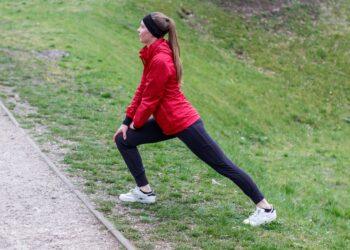
A proper warm-up before strength training helps increase blood flow, improve mobility, and reduce the risk of injury. After your workout, spend a few minutes cooling down with gentle stretching to improve flexibility, ease muscle tension, and support recovery.
Don’t Skip Stretching
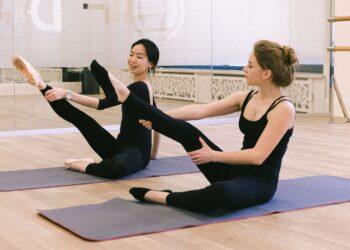
Flexibility becomes increasingly important with age. Regular stretching helps improve your range of motion, supports healthy joints, and makes everyday activities easier.
Adding a few minutes of stretching after each workout can also help reduce stiffness and keep your body moving comfortably.
Eat Enough Protein
Exercise alone isn’t enough. Your muscles also need the right nutrients to recover and grow.
Include protein-rich foods such as lean meat, fish, eggs, dairy products, beans, lentils, tofu, nuts, and Greek yogurt throughout the day. Eating protein after strength training may also help support muscle recovery.
Recovery Is Part of the Process
Muscles don’t grow while you’re exercising; they grow while you recover.
Getting 7 to 9 hours of quality sleep, staying hydrated, and taking rest days between strength-training sessions give your body the time it needs to repair and strengthen muscle tissue.
Stay Consistent and Think Long-Term
Building muscle after 50 doesn’t happen overnight. Small, consistent efforts are far more effective than occasional intense workouts.
Instead of viewing exercise as a way to “undo” what you ate or quickly lose weight, think of it as a long-term investment in your health. Staying active with walking, swimming, yoga, Pilates, or other activities alongside strength training can improve balance, mobility, energy, and independence for years to come.
Healthy Habits That Support Muscle Growth
Building strength is about more than lifting weights. These everyday habits can help you get better results:
- Strength train 2–3 times each week.
- Start with bodyweight movements, then gradually increase resistance.
- Always warm up before exercise and cool down afterward.
- Stretch regularly to improve flexibility and mobility.
- Eat enough protein throughout the day.
- Get 7–9 hours of quality sleep each night.
- Stay hydrated and allow your muscles time to recover.
- Keep moving with regular daily activity, not just gym workouts.
The Takeaway
Losing muscle isn’t an inevitable part of aging. With regular strength training, enough protein, proper recovery, stretching, and consistent healthy habits, women over 50 can continue building strength and improving their overall health.
It’s never too late to start. Every workout, healthy meal, and good night’s sleep is another step toward staying strong, active, and independent for years to come.
Disclaimer: The content on this website is for informational purposes only and is not intended as medical advice, diagnosis, or treatment. Always consult a qualified healthcare professional before making any health-related decisions.