Amidst the growing threat of drug-resistant pathogens, the optimization of antimicrobial peptides (AMPs) has emerged as a critical focus in biotechnology. Researchers Goran Mauša and Daniela Kalafatovic have highlighted a revolutionary approach in the June 2026 issue of Nature Machine Intelligence, utilizing generative AI to design next-generation AMPs.
Revolutionizing Peptide Design with AI
The rise of resistant bacteria has accelerated the need for innovative solutions in antimicrobial treatments. Generative AI offers a sophisticated means to explore vast data landscapes, identifying potential peptide candidates that traditional methods might overlook. This AI-driven methodology not only speeds up discovery but also evaluates biological scaffolds with a degree of precision previously unattainable.
Data-Driven Insights
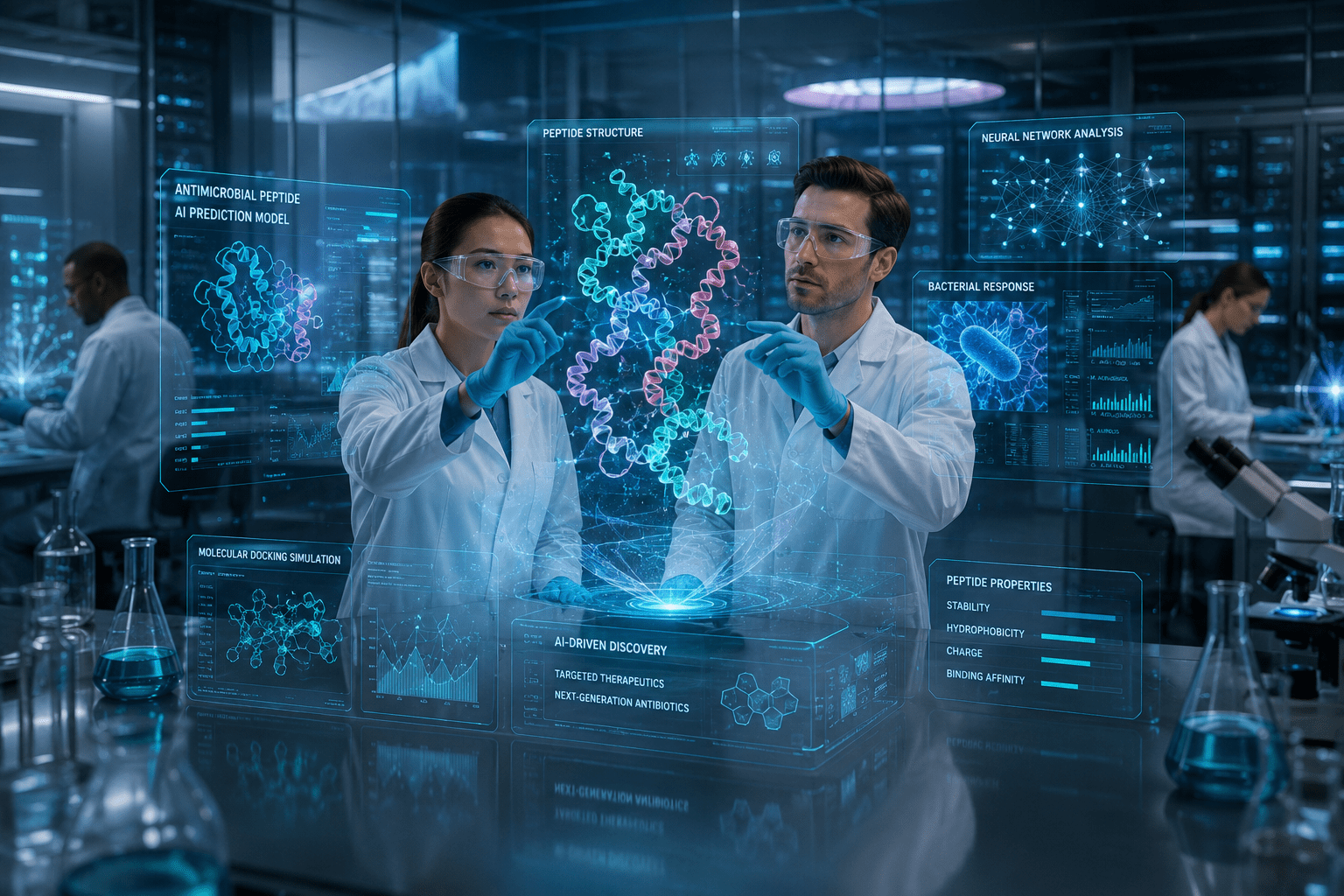
Generative AI effectively acts as a data-driven surrogate, streamlining the rational design process of AMPs. By integrating complex datasets, this technology is capable of simulating and refining peptide structures that exhibit high therapeutic potential. “Peptide research continues to evolve, offering promising insights into health and wellness,” experts say, underscoring the transformative potential of AI in medical advancements.
Optimizing AMPs for the Future
AI-based design not only proposes novel peptides but also optimizes existing ones by predicting their interaction with bacterial pathogens. This predictive capability is crucial in ensuring that the peptides can effectively combat drug-resistant strains while minimizing side effects. As a result, the development of AMPs is not only more efficient but also aligned with current clinical needs.
As the field progresses, the focus will be on enhancing AI algorithms to further refine this process, thus ensuring the rapid development of safe and effective antimicrobial agents. The collaboration between machine intelligence and biological research stands poised to usher in a new era of medical breakthroughs.
Looking Ahead
The integration of AI in peptide research represents a significant leap forward. As technology continues to evolve, the potential for new therapeutic pathways expands, offering hope in the fight against antibiotic resistance. The future of medicine may well hinge on the continued synergy between AI advancements and biological research.
This article explores the pivotal role of generative AI in optimizing antimicrobial peptides to counteract drug-resistant pathogens, highlighting advances in the design and therapeutic application of AMPs. antimicrobial peptides optimization, generative AI in medicine, peptide design technology.
Disclaimer: The content on this website is for informational purposes only and is not intended as medical advice, diagnosis, or treatment. Always consult a qualified healthcare professional before making any health-related decisions. Images used in this article are AI-generated illustrations.