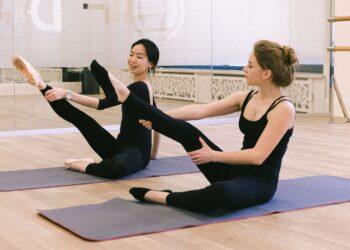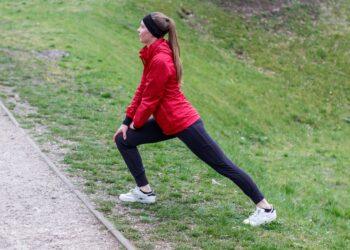
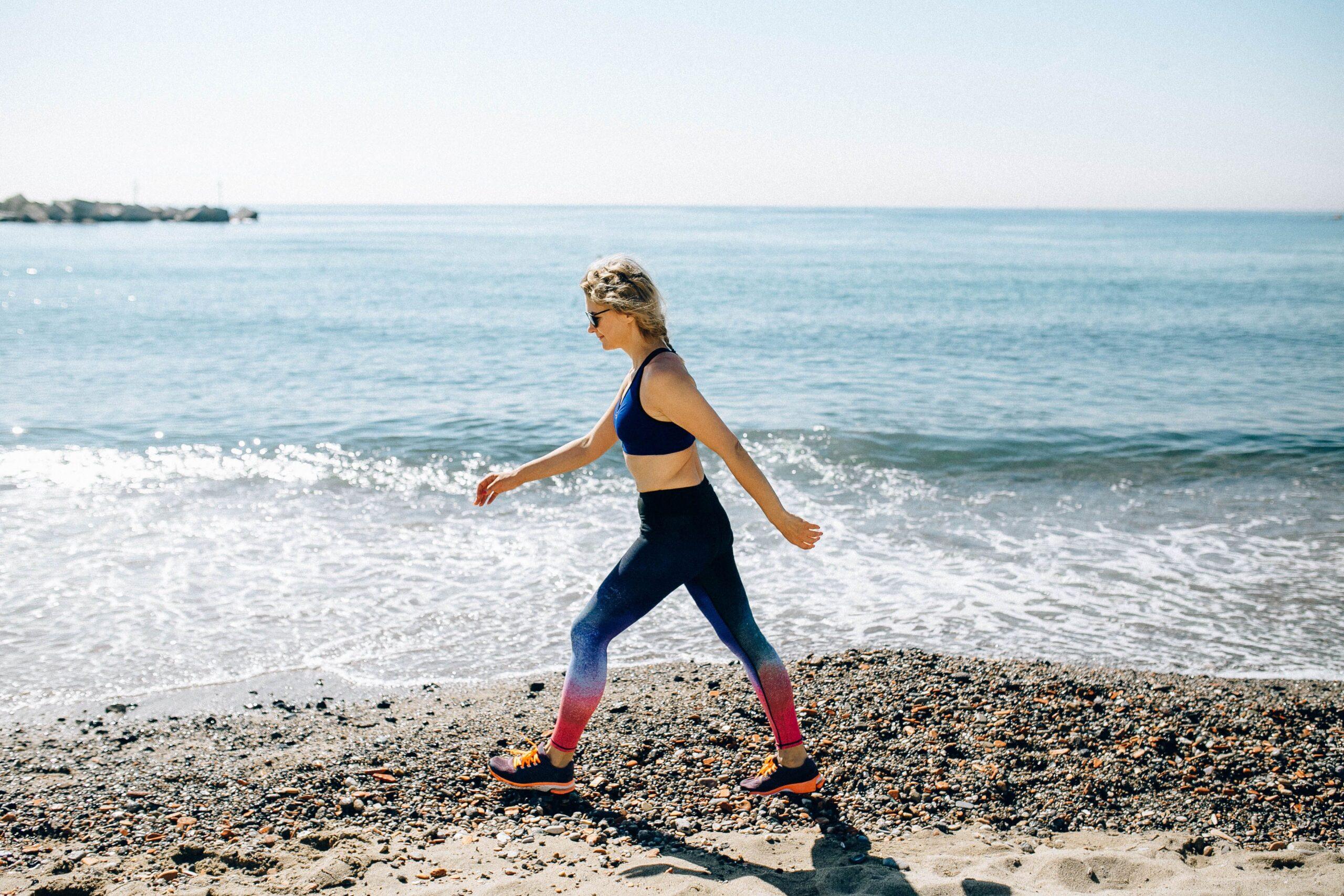
Walking is one of the simplest and most effective forms of exercise. It improves heart health, boosts mood, burns calories, and helps you stay active. But can it also build muscle? According to fitness trainers, walking can strengthen your muscles, but it won’t build significant muscle mass on its own.
Which Muscles Does Walking Work?
Every step activates several major muscle groups, including your glutes, quadriceps, hamstrings, calves, and core. These muscles help move your body forward while improving balance and posture.
For beginners or those returning to exercise, regular walking can increase muscle strength and endurance. Over time, your legs become stronger, and everyday activities like climbing stairs or carrying groceries feel easier.
Can Walking Build Muscle?
Yes, but only to a certain extent.
Walking provides a light resistance workout, which helps tone and strengthen muscles. However, it doesn’t create enough resistance to build large or well-defined muscles. For noticeable muscle growth, your body needs progressive overload, which comes from strength training exercises like squats, lunges, push-ups, or weightlifting.
How to Make Walking More Effective
Want to get more out of your daily walks? Try these trainer-approved tips:
- Walk faster: A brisk pace challenges your muscles more than a stroll.
- Choose hills or inclines: Walking uphill increases the workload on your glutes, thighs, and calves.
- Add bodyweight exercises: Stop every 10–15 minutes for squats, lunges, or calf raises.
- Increase your distance: Longer walks improve muscular endurance and overall fitness.
Who Benefits the Most?
Walking is especially beneficial for beginners, older adults, and anyone returning to fitness after a break. It helps maintain muscle function, improves joint mobility, and supports healthy aging.
Even experienced exercisers benefit from walking because it promotes recovery, improves circulation, and adds extra daily movement without putting too much stress on the body.
Disclaimer: The content on this website is for informational purposes only and is not intended as medical advice, diagnosis, or treatment. Always consult a qualified healthcare professional before making any health-related decisions.