
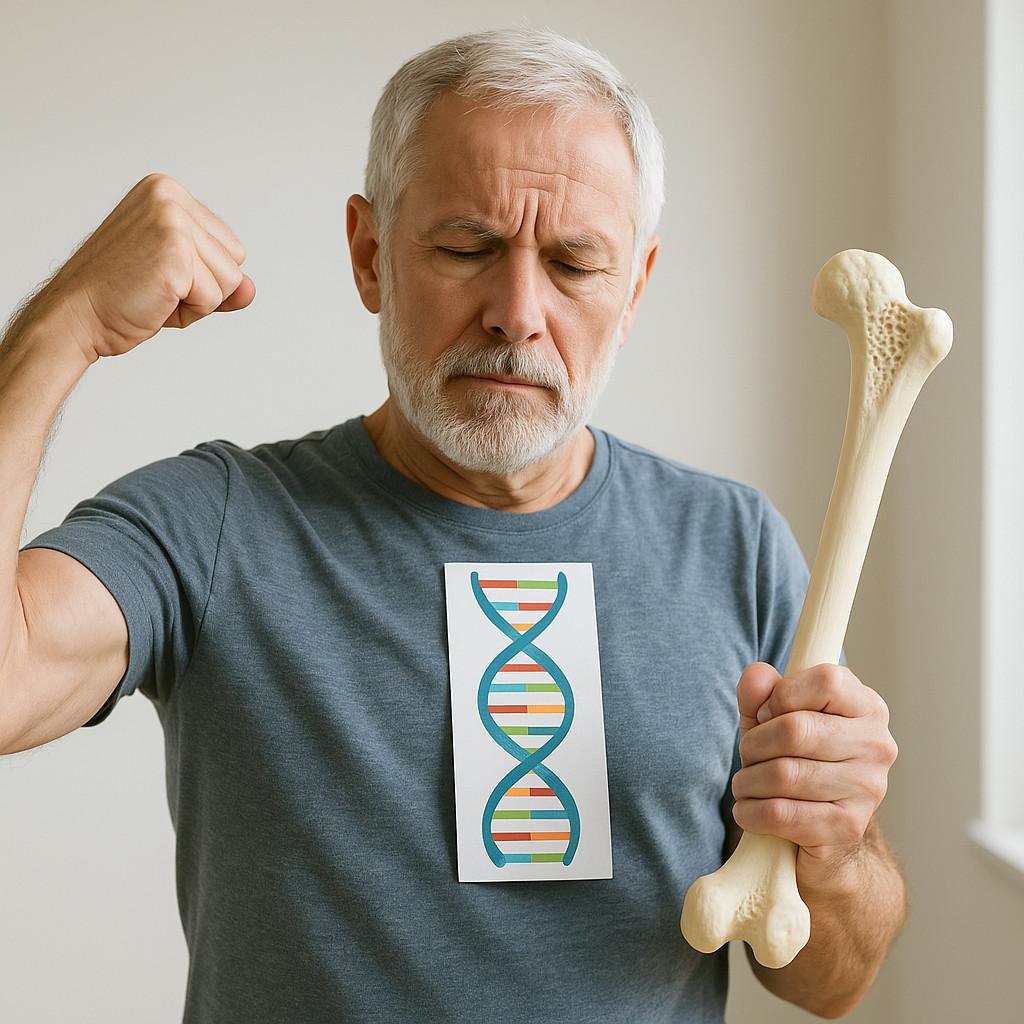
As people age, the decline of muscle mass, known as sarcopenia, and bone density, referred to as osteoporosis, often occur simultaneously. Recent research sheds light on the intricate links between these two conditions, uncovering shared genetic, protein, and lifestyle factors that could influence healthier aging.
Understanding Osteosarcopenia
Sarcopenia and osteoporosis, when occurring together, are termed osteosarcopenia. This combination significantly raises the risk of injuries from falls, particularly in older adults. Both conditions stem from a shared developmental origin, which contributes to their close association.
Research utilizing data from the UK Biobank confirms that individuals with reduced hand grip strength or slower walking speeds have a higher likelihood of osteoporosis. Similarly, those with low bone mineral density in their heels are at greater risk of sarcopenia. These findings are even more pronounced in men and younger individuals.
Genetic and Molecular Insights
At the genetic level, several regions influence both sarcopenia and osteoporosis. Notably, the TFAM gene helps maintain mitochondrial DNA, while the COMMD7 gene relates to the NF-κB signaling pathway, both implicated in these conditions. Inflammation emerges as a common thread, with a proteomic analysis revealing that many shared biomarkers impact inflammatory pathways.
The researchers identified key metabolites and proteins, such as myokines, which play roles in muscle and bone health. A decrease in these molecules could trigger inflammation, furthering osteoporosis.
Lifestyle Factors and Prevention
Lifestyle choices critically impact both muscle and bone health. Sedentary individuals face a higher risk of developing osteosarcopenia, compounded by poor lipid metabolism. Smoking, inadequate sleep, and poor gut health further exacerbate these conditions.
“Longevity research continues to explore how lifestyle and science may support healthier aging,” experts say, emphasizing the importance of physical activity and diet in managing sarcopenia and osteoporosis.
Conclusion
This comprehensive study highlights the multifaceted relationship between muscle and bone loss. With ongoing research, there is hope that targeted interventions and lifestyle modifications will pave the way for improved health outcomes in aging populations.
An exploration of the link between muscle and bone loss, uncovering genetic and lifestyle factors that influence age-related conditions like sarcopenia and osteoporosis. muscle loss, bone health, longevity research Exploring the Links Between Muscle and Bone Loss in Aging Discover how new research uncovers the genetic and lifestyle connections between sarcopenia and osteoporosis, and their impact on longevity.
Disclaimer: The content on this website is for informational purposes only and is not intended as medical advice, diagnosis, or treatment. Always consult a qualified healthcare professional before making any health-related decisions. Images used in this article are AI-generated illustrations.