Recent research published in Nature Chemical Biology unveils groundbreaking methods for examining Gαs protein signaling with unprecedented detail. The study focuses on the development of inhibitory probes, providing new avenues for understanding the role of Gαs in cellular signaling, particularly its involvement in cancer.
Understanding Gαs Protein Signaling
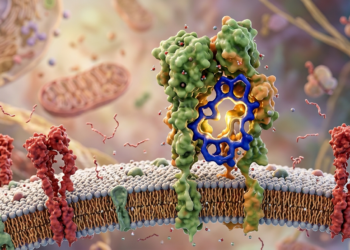
The Gαs protein is a critical component of G protein-coupled receptor (GPCR) pathways, traditionally viewed as active only at the plasma membrane. However, emerging evidence suggests that Gαs also signals from intracellular compartments, a notion that this study aims to explore more thoroughly.
These signaling pathways are significant because mutations in Gαs are frequently linked to cancer. Despite this importance, progress has stagnated due to a lack of tools capable of providing the necessary spatiotemporal resolution.
Breakthrough with Genetically Encoded Probes
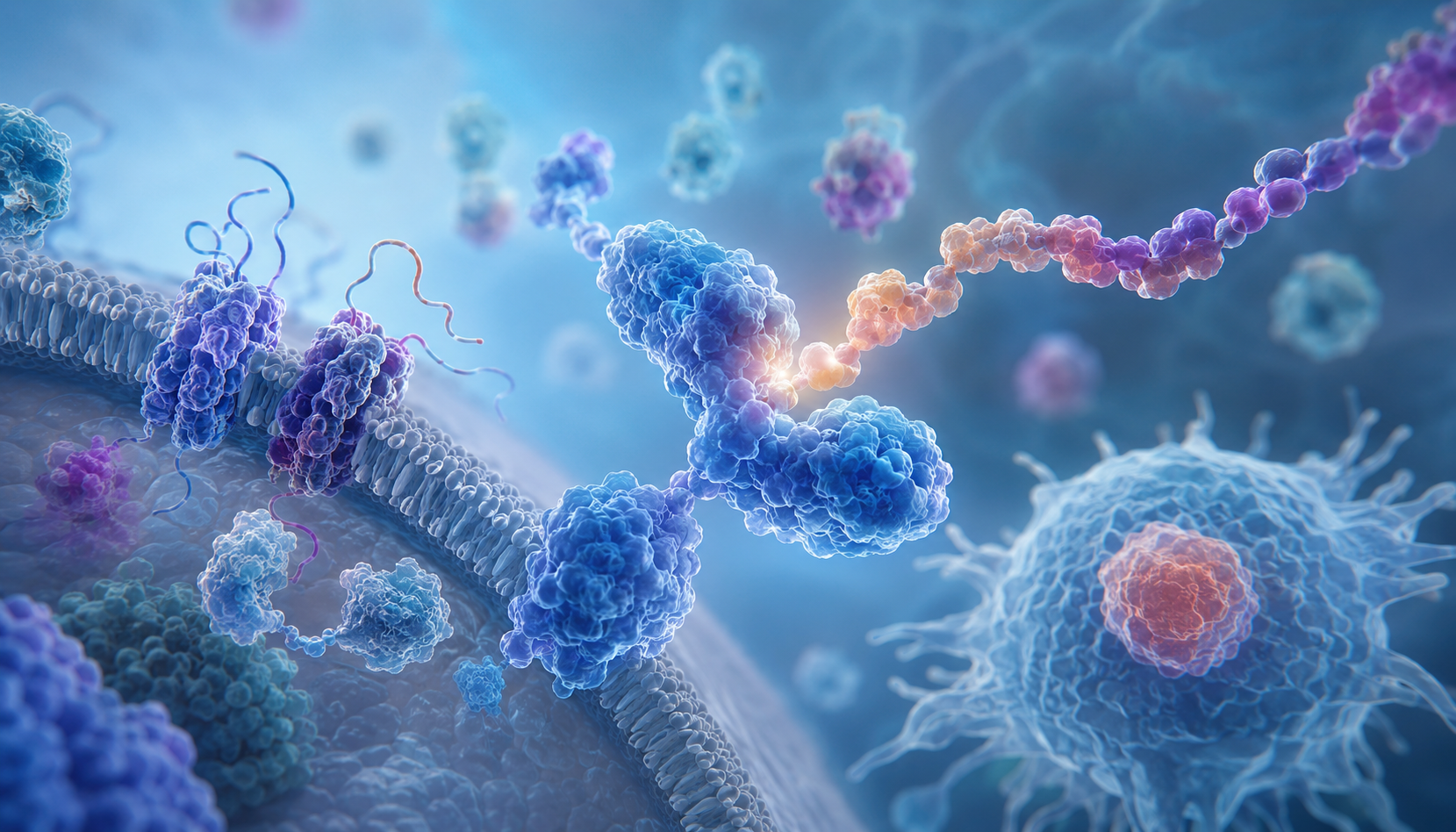
Researchers, including Jingyi Zhao and colleagues, have developed genetically encoded probes and cell-penetrating compounds to block the effector-binding site of active Gαs. This innovation allows for the precise interruption of signaling at specific cellular locations and times, significantly enhancing experimental versatility.
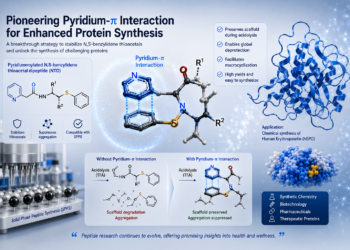
“Peptide research continues to evolve, offering promising insights into health and wellness,” experts say, highlighting the potential impact of these findings on future therapeutic approaches.
Implications for Cancer and Therapeutic Potential
The study reveals direct evidence of Gαs-mediated signaling within intracellular organelles. Importantly, these findings highlight unique spatiotemporal signaling features exhibited by Gαs oncomutants, particularly in cardiac and immune cells.
The introduction of these probes not only enhances our understanding of GPCR-related cellular mechanisms but also opens the door to harnessing Gαs signaling for therapeutic purposes. By targeting specific signaling pathways, there is potential to develop more precise cancer treatments.
Future Directions and Research Potential
The implications of this research extend beyond cancer, potentially impacting a range of physiological responses. The ability to modulate Gαs signaling holds promise for novel treatments in various fields of medicine.
As scientists continue to explore the intricacies of Gαs signaling, these innovative probes are poised to play a pivotal role in advancing our understanding of cellular communication networks.
This article delves into the latest research on Gαs protein signaling, detailing innovative peptide probes that offer groundbreaking insights into cellular mechanisms, with significant implications for cancer therapy and beyond.