
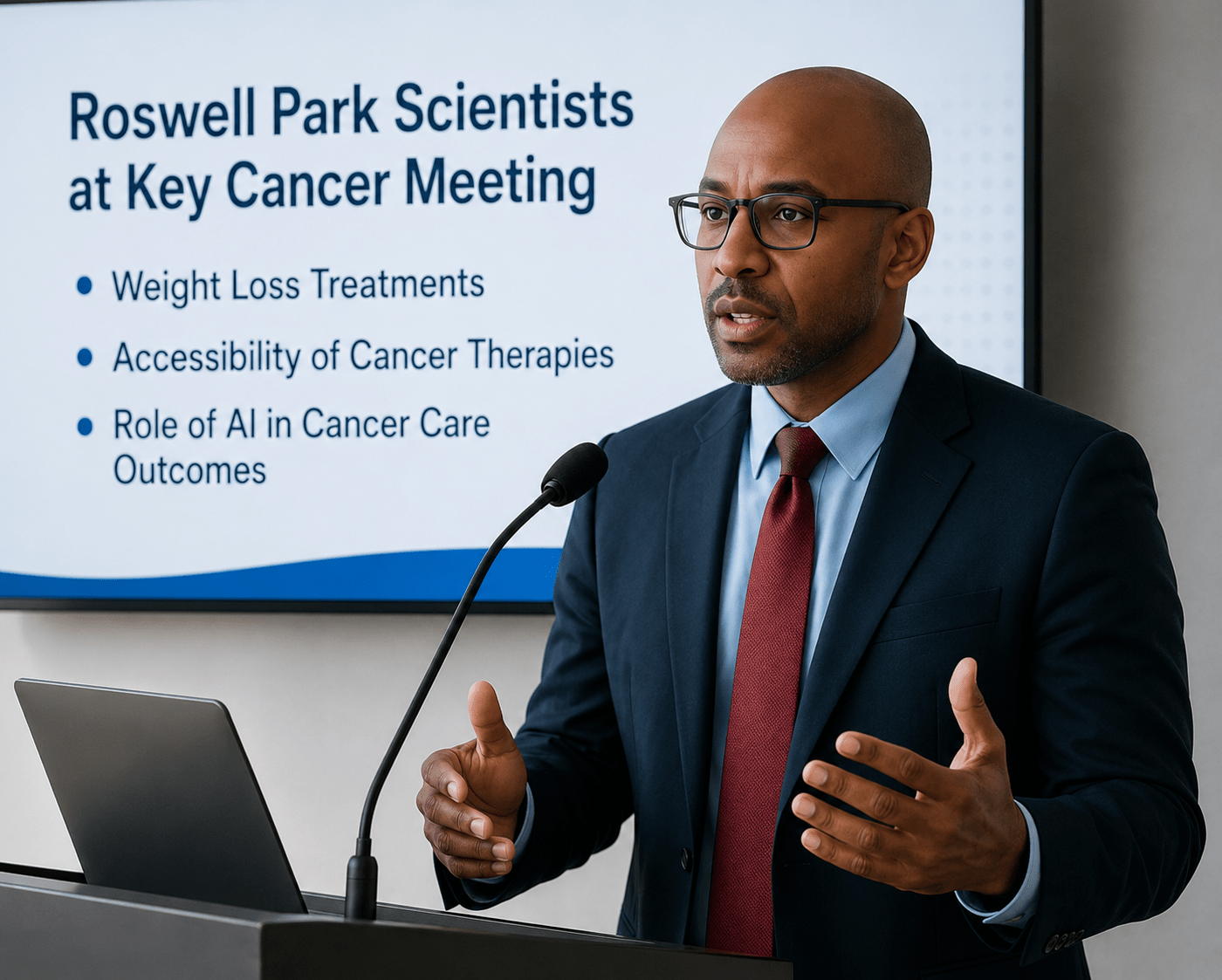
At the forefront of cancer research, experts from the Roswell Park Comprehensive Cancer Center are shedding light on innovative approaches to weight management and their potential benefits in cancer prevention. Presented at the American Society of Clinical Oncology (ASCO) annual meeting, these groundbreaking studies offer new insights into how weight loss medications might influence cancer outcomes.
GLP-1 Receptor Agonists: Beyond Blood Sugar Control
GLP-1 receptor agonists are primarily recognized for their role in lowering blood sugar and aiding weight loss. However, a study led by Dr. Zunairah Shah, presented at the ASCO meeting, reveals their potential in reducing breast cancer risks. Focusing on non-diabetic, overweight, or obese women, the study explored whether these medications might lower the incidence of hormone receptor-positive breast cancer or improve survival rates post-diagnosis.
“Sustainable weight loss strategies continue to focus on long-term lifestyle and health improvements,” experts say, highlighting the broader impact of such therapies.
Accessibility of Cancer Treatments: A Geographic Challenge
While advances in treatments like CAR T-cell therapy promise hope for many cancer patients, accessibility remains a significant hurdle. Dr. Rahul Thakur’s research underscores the disparities in available clinical trials across the United States, emphasizing the need for more regional institutions to offer these cutting-edge treatments. Such research indicates a critical intersection between geographical accessibility and the equitable distribution of healthcare resources.
AI in Cancer Care: The Role of Large Language Models
In an era where artificial intelligence is revolutionizing many fields, its application in cancer care is being rigorously tested. Dr. Mariam Haji Ahmad’s evaluation of large language models aims to standardize how AI assists in diagnosing and treating breast cancer. The study focuses on ensuring these tools are reliable, marking an essential step toward integrating AI into routine clinical practice.
As research continues to evolve, the intersection of weight management, innovative treatment accessibility, and AI in healthcare offers promising avenues for improving patient outcomes.
The article explores pioneering studies presented by Roswell Park scientists at a key cancer meeting, focusing on weight loss treatments, accessibility of cancer therapies, and the role of AI in improving cancer care outcomes.
Disclaimer: The content on this website is for informational purposes only and is not intended as medical advice, diagnosis, or treatment. Always consult a qualified healthcare professional before making any health-related decisions. Images used in this article are AI-generated illustrations.