
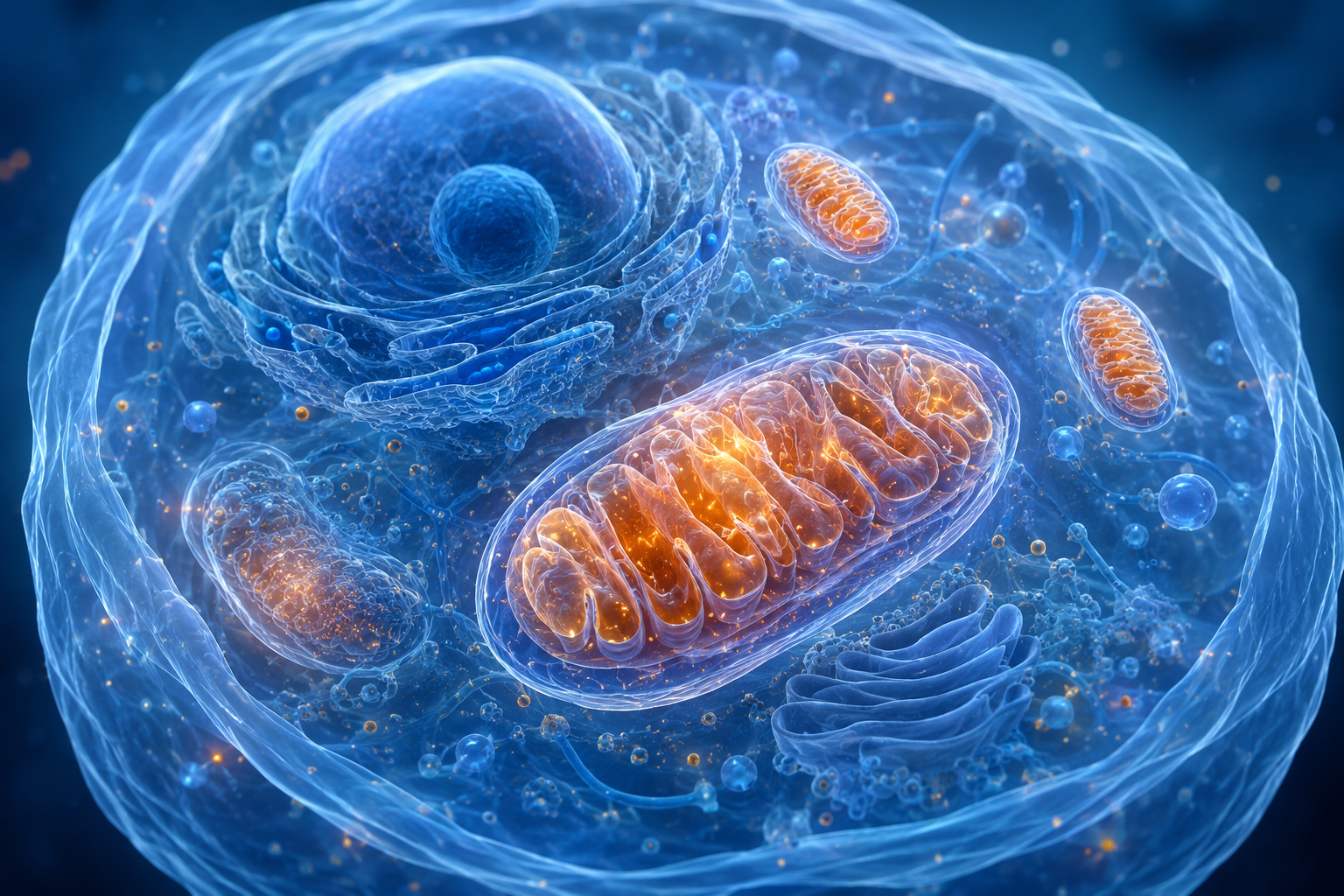
Recent research has provided new insights into the aging process, particularly how the loss of a crucial membrane lipid in mitochondria is associated with aging. This discovery highlights a significant aspect of cellular health, with potential implications for longevity and anti-aging strategies.
The Role of Mitochondria in Aging
Mitochondria, often referred to as the powerhouses of the cell, play a critical role in energy production. They convert nutrients into adenosine triphosphate (ATP), the energy currency of the cell. As we age, mitochondrial function tends to decline, contributing to various age-related conditions.
Research indicates that this decline may be linked to the loss of a specific membrane lipid. This lipid is essential for maintaining mitochondrial integrity and function.
Membrane Lipids: Guardians of Cellular Health
Membrane lipids are vital components that help preserve the structural integrity of cells. In mitochondria, these lipids ensure efficient energy production and are involved in apoptosis, the process of programmed cell death. The loss of such lipids can impair these functions, leading to cellular damage and aging.
Studies suggest that restoring or maintaining these lipids could mitigate some effects of mitochondrial aging, potentially offering new avenues for enhancing longevity.
Implications for Longevity and Anti-Aging Research
The connection between lipid loss and mitochondrial decline opens up new possibilities in the field of longevity research. By understanding this relationship, scientists can develop interventions aimed at preserving mitochondrial health. Such strategies could involve dietary supplements, lifestyle changes, or pharmacological approaches to support lipid levels.
“Longevity research continues to explore how lifestyle and science may support healthier aging,” experts say, emphasizing the potential for novel therapies that target mitochondrial health.
Looking Ahead
The findings on mitochondrial lipid loss underscore the complex nature of aging. As researchers delve deeper into cellular mechanisms, the hope is to uncover more about how we can prolong a healthy lifespan. By focusing on mitochondrial health, the path to preventing or delaying age-related diseases becomes clearer.
In conclusion, as the understanding of mitochondrial dynamics expands, so does the potential for developing innovative approaches to enhance human longevity and well-being.
This article delves into the connection between mitochondrial aging and the loss of a crucial membrane lipid, exploring its implications for longevity and anti-aging research.
Disclaimer: The content on this website is for informational purposes only and is not intended as medical advice, diagnosis, or treatment. Always consult a qualified healthcare professional before making any health-related decisions. Images used in this article are AI-generated illustrations.